










Kyrgyzstan has undertaken wide-ranging reforms of its health system in a challenging socioeconomic and political context
Major service delivery improvements include the introduction of new clinical practice guidelines, better availability and use of pharmaceuticals, enhanced quality in priority programs for maternal and child health, cardiovascular diseases, tuberculosis, and HIV/AIDS, along with strengthened public health systems and improved medical education. A Community Action for Health program was implemented through village health committees to promote health awareness and encourage community responsibility, while health financing reforms introduced a purchaser–provider split and a single payer system under the state-guaranteed benefit package, with purchasing consolidated under the Mandatory Health Insurance Fund (MHIF). Since 2006, national-level pooling of general revenue and health insurance funds has replaced oblast-level pooling, enabling more equitable distribution for the SGBP and the Additional Drug Package. Although the use of primary and hospital care declined in the 1990s and early 2000s, utilization is now rising, with improved regional equity, better financial protection, and reduced informal payments, though continued efforts remain necessary.


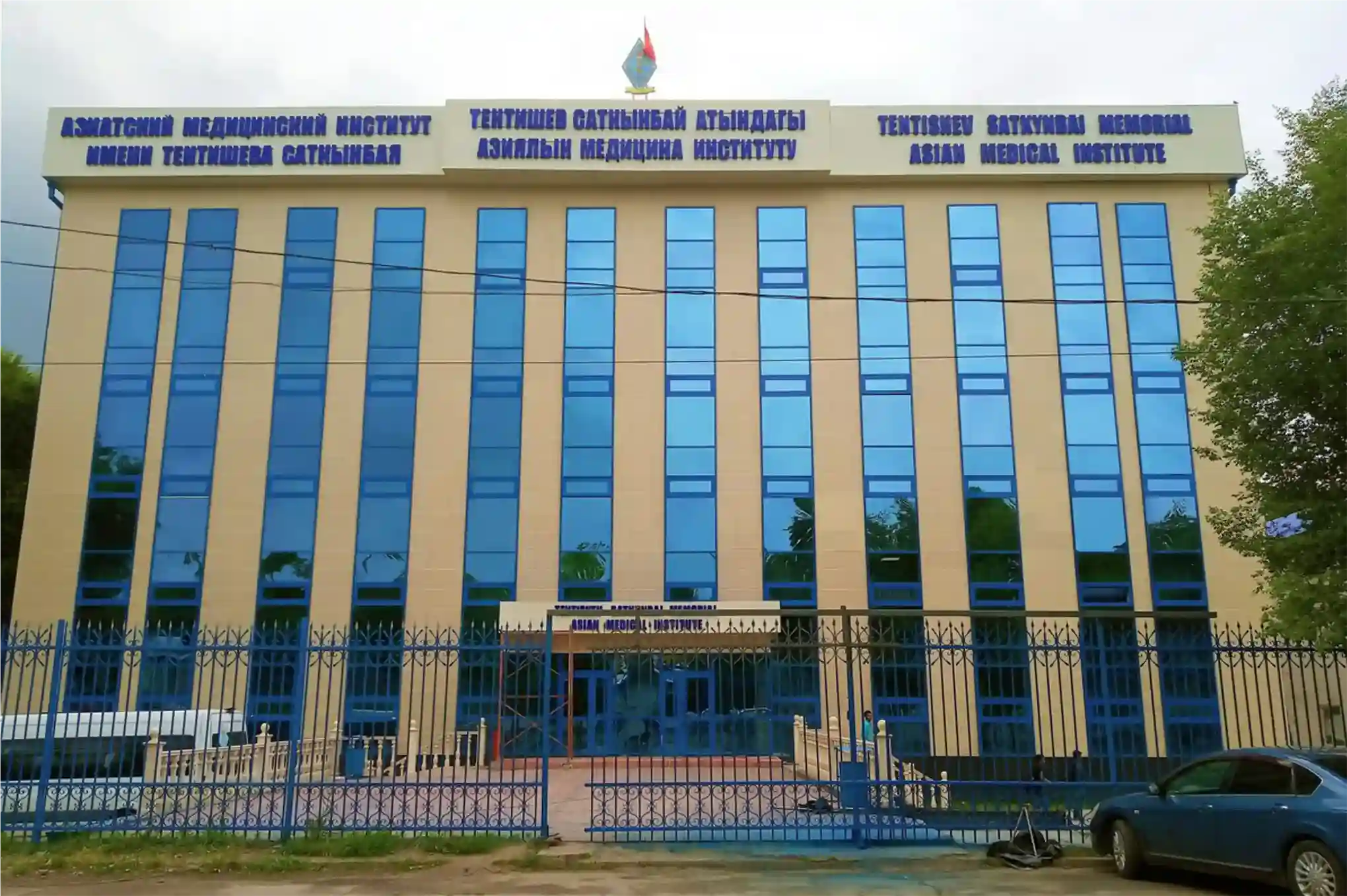


















 Study in ARMENIA
 Study in BANGLADESH
 Study in CHINA
 Study in Guyana
 Study in KAZAKHSTAN
 Study in Kyrgyzstan
 Study in Philippines
 Study in Romania
 Study in Russian Federation
 Study in TAJIKISTAN