


logo
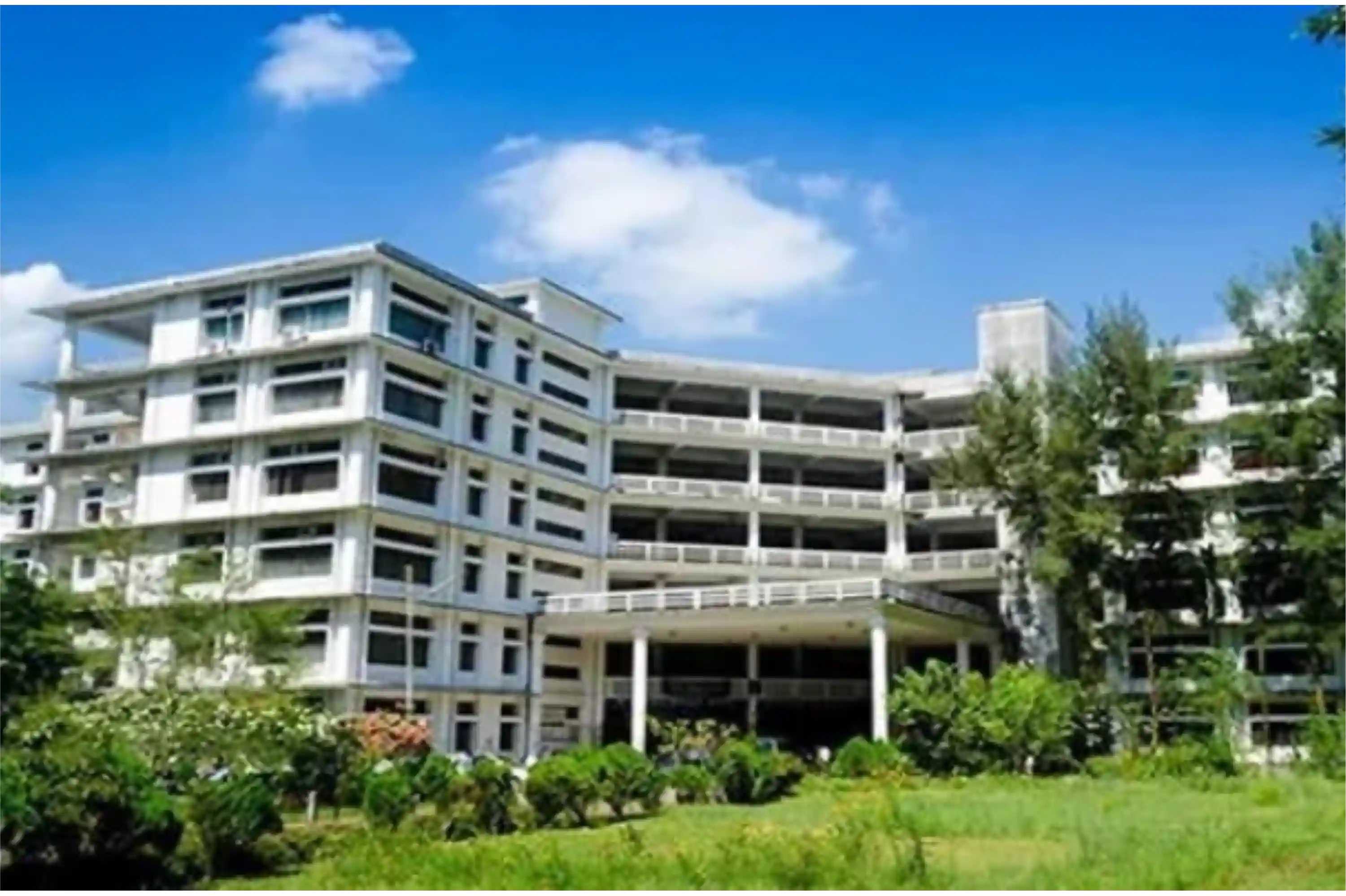
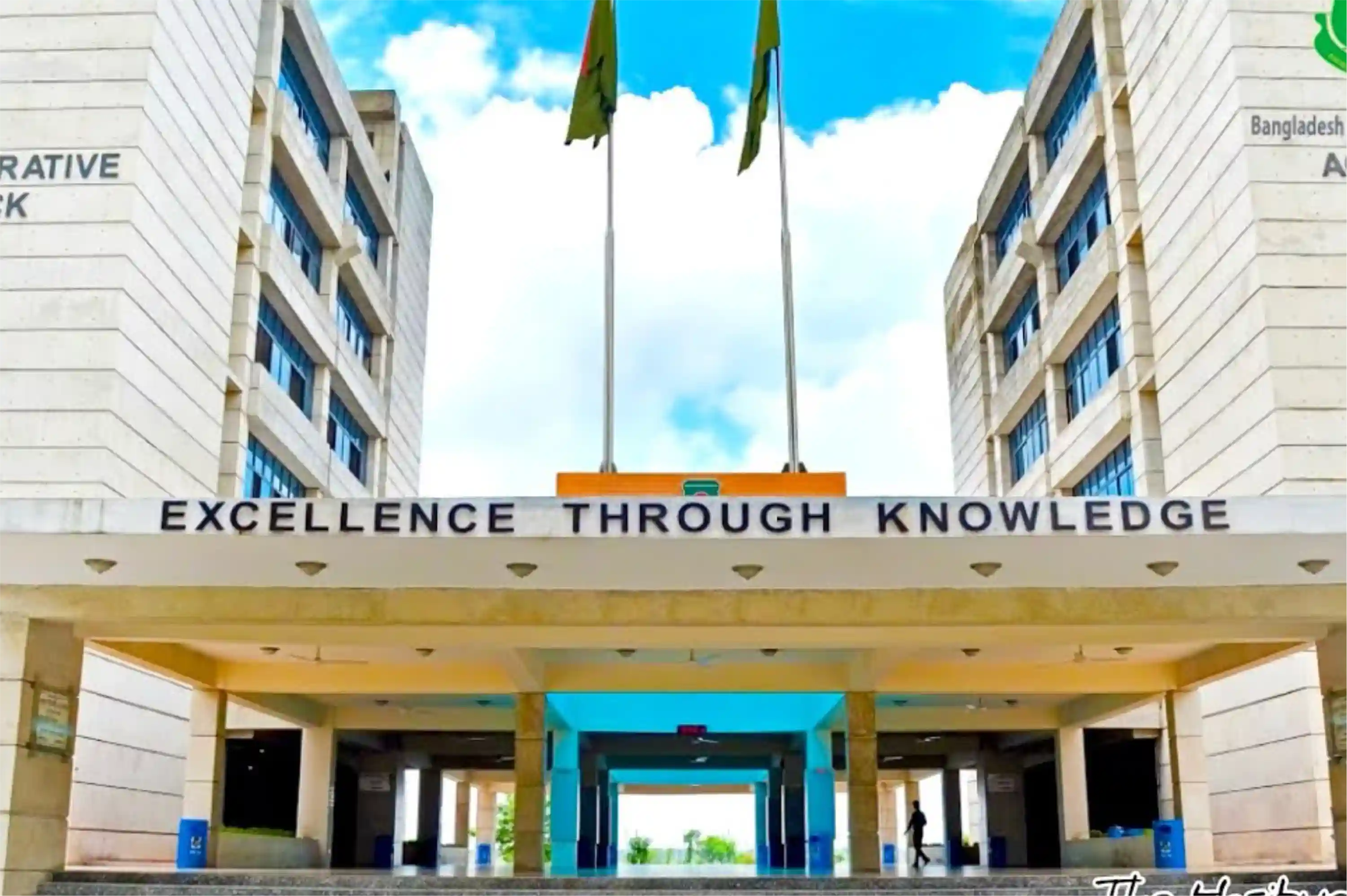
The university is run by the Bangladesh Armed Forces and is located in Mirpur Cantonment.

The establishment of a university dedicated to the educational and training institutes of the armed forces had long been a pressing need. With the growing demand for higher studies in national security, war strategy, medicine, engineering, and technology, it became essential to keep pace with the rapidly developing world. Advancing national higher education and research, enabling modern knowledge, and creating broader opportunities for education are key responsibilities to be fulfilled. To expand and integrate the existing educational and training institutions of the armed forces, it was necessary to bring them under a single authority. Consequently, the Bangladesh University of Professionals (BUP) was established and became the 31st public university of Bangladesh on 5 June 2008. BUP is a unique public university operated by the armed forces, upholding the motto “Excellence Through Knowledge.” As the youngest public university in the country, BUP is committed to advancing knowledge in national security, technology, and modern science to support the development of skilled human resources for the nation.
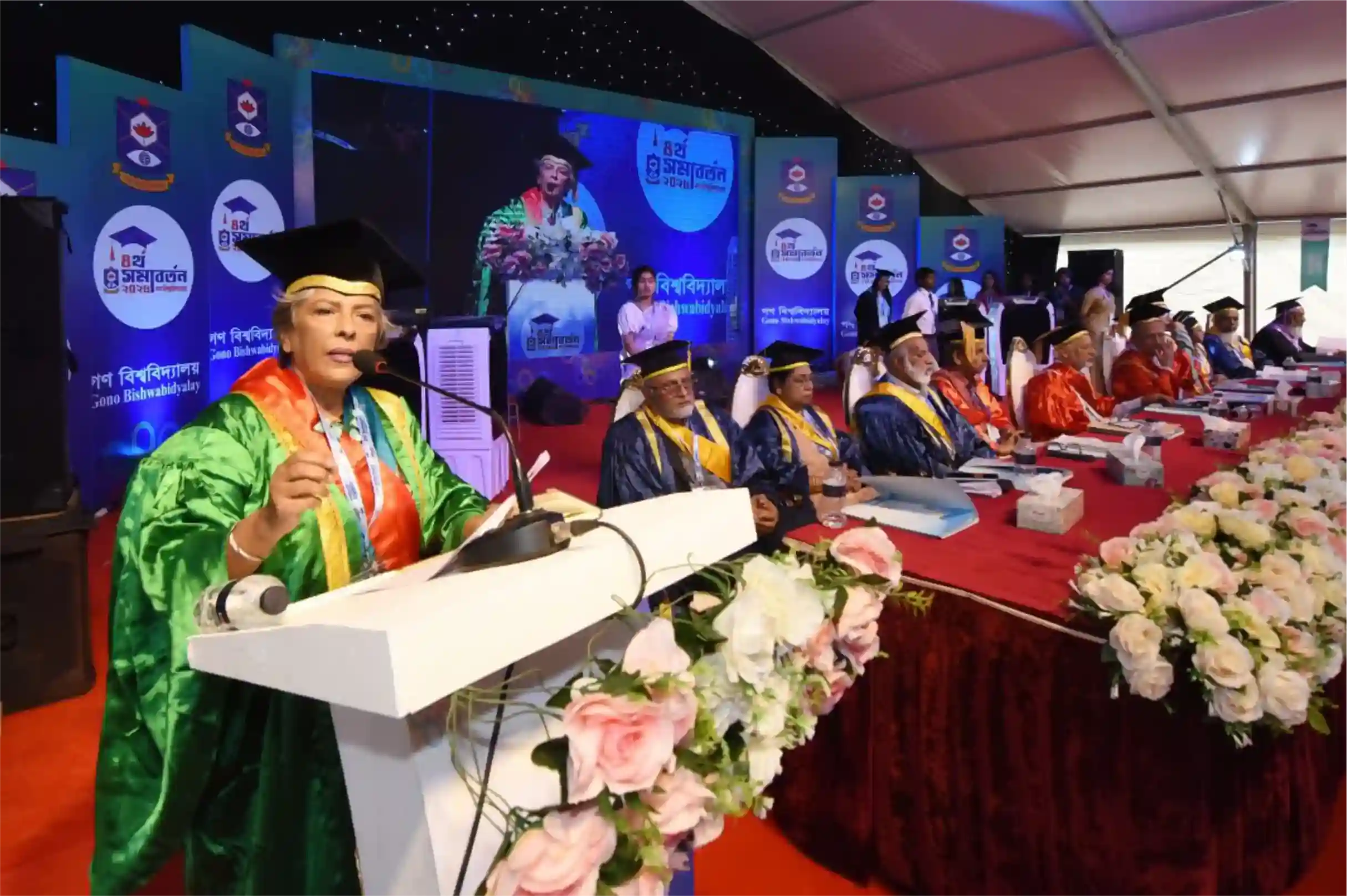

A University with a difference- has been established to provide a high quality of education.

Gono Bishwabidyalay—a university with a difference—was established to provide high-quality education that meets the demands of the modern age. Its mission is to contribute to national and global development by creating a center of excellence in higher education that responds to societal needs, particularly social development and human welfare. The university aims to produce highly skilled professionals, visionary leaders, and enlightened citizens by delivering quality higher education and training that enables individuals to achieve their intellectual, social, and personal potential.Gono Bishwabidyalay (GB) was founded by the Gonoshasthaya Kendra (GK) Public Charitable Trust, which emerged during Bangladesh’s historic War of Liberation in 1971. Gonoshasthaya Kendra (People’s Health Centre) is one of the country’s pioneering NGOs and is internationally recognized for its contributions, especially since 1972, in advancing women’s development and reducing gender inequality. GK has played a significant role in introducing health insurance systems, protecting women’s rights, preserving folk culture and art, and contributing to the formulation of the Bangladesh National Drug Policy. Its impactful work has been widely acknowledged through prestigious honors, including the Independence Day Award (1978), the Magsaysay Award (1985), and the Right Livelihood Award from the Swedish Parliament (1992). With the same vision and commitment, Gono Bishwabidyalay was established by GK on 14 July 1998.In continuation of GK’s long-standing commitment to education, the concept of Gono Bishwabidyalay was initiated in 1994 and formally established under the Bangladesh Private University Act, 1992. It is a not-for-profit institution accredited by the University Grants Commission (UGC) and approved by the Ministry of Education, Government of Bangladesh.Most faculty members at Gono Bishwabidyalay are full-time, highly qualified, and well trained. Despite maintaining high academic standards, the university offers education at a significantly lower cost compared to other private universities in Bangladesh—often less than half—making it accessible to ordinary families. The university follows a semester-based system (six months per semester), enabling students to receive quality education comparable to that offered by universities in developed countries.

SUST was the first university in Bangladesh to introduce the integrated honours course.

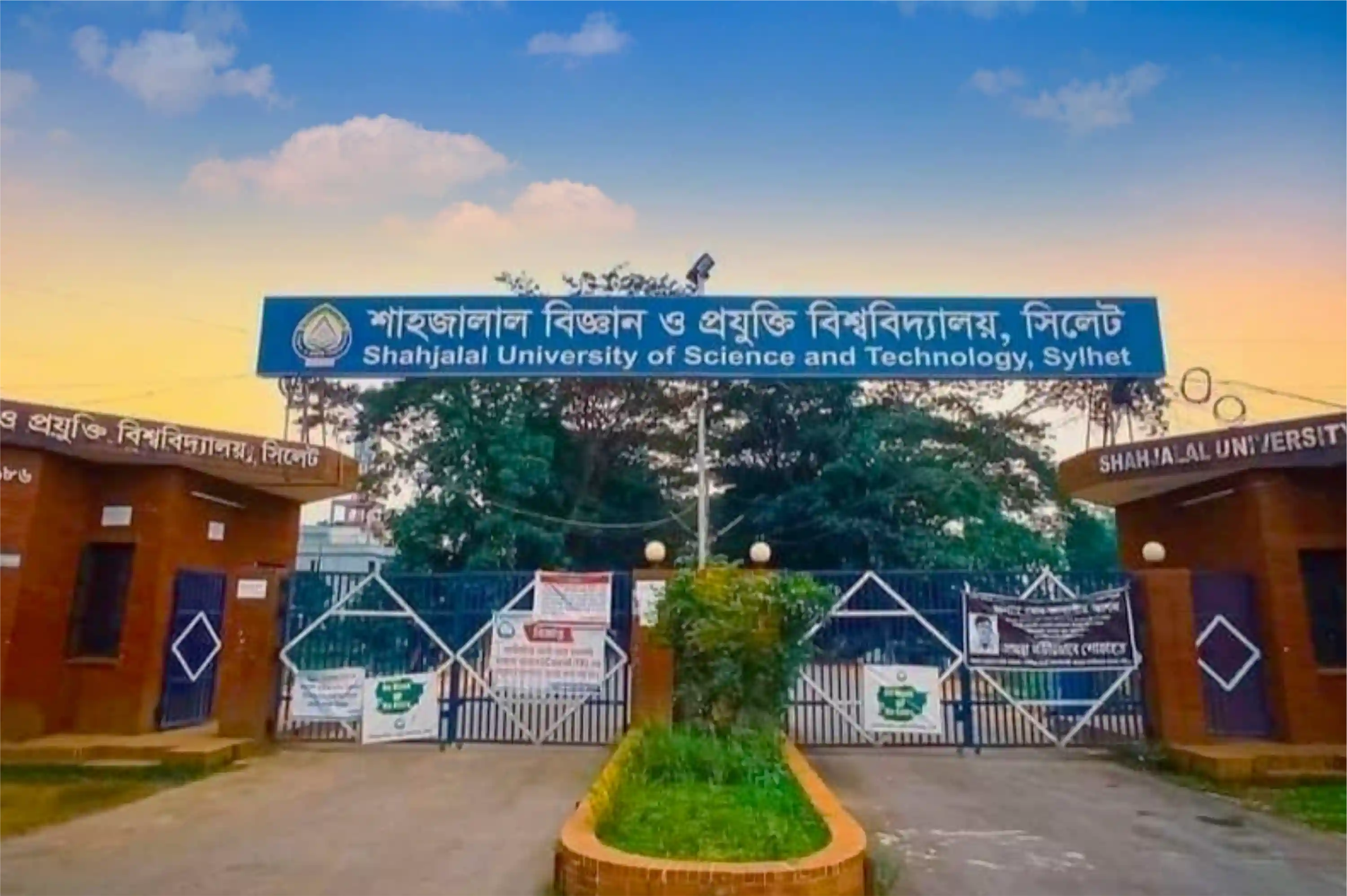
After years of struggle and sustained effort, Shahjalal University of Science and Technology (SUST) was established in 1986 and officially began its academic journey on 1st Phalgun (13 February 1991) with three departments—Physics, Chemistry, and Economics—supported by 13 faculty members and 205 students. Over the years, SUST has grown substantially and now consists of 7 schools, 27 departments, and 2 institutes, with 566 faculty members and a student population of 8,596. Under its School of Medical Sciences, the university also oversees 12 affiliated medical colleges with approximately 4,000 enrolled students. SUST holds the distinction of being the first university in Bangladesh to introduce an integrated honours program and adopted the semester system in the 1996–97 academic session, resulting in significant improvements in academic quality nationwide. All students are required to complete courses in Bangla, English, computer literacy, and programming, while the Computer and Information Center provides IT training for university employees, positioning SUST as one of the most IT-enabled universities in the country. The university offers master’s programs in most departments and continues to foster a research-oriented academic environment despite funding challenges. SUST regularly publishes three research journals—one in Bangla and two in English—receiving hundreds of research submissions each year, and many departments actively host international conferences and co-curricular activities. Looking ahead, SUST remains committed to enhancing its international standing through continuous improvement in research, teaching quality, and academic excellence.

Creative endeavor for reaching a global height in higher education.

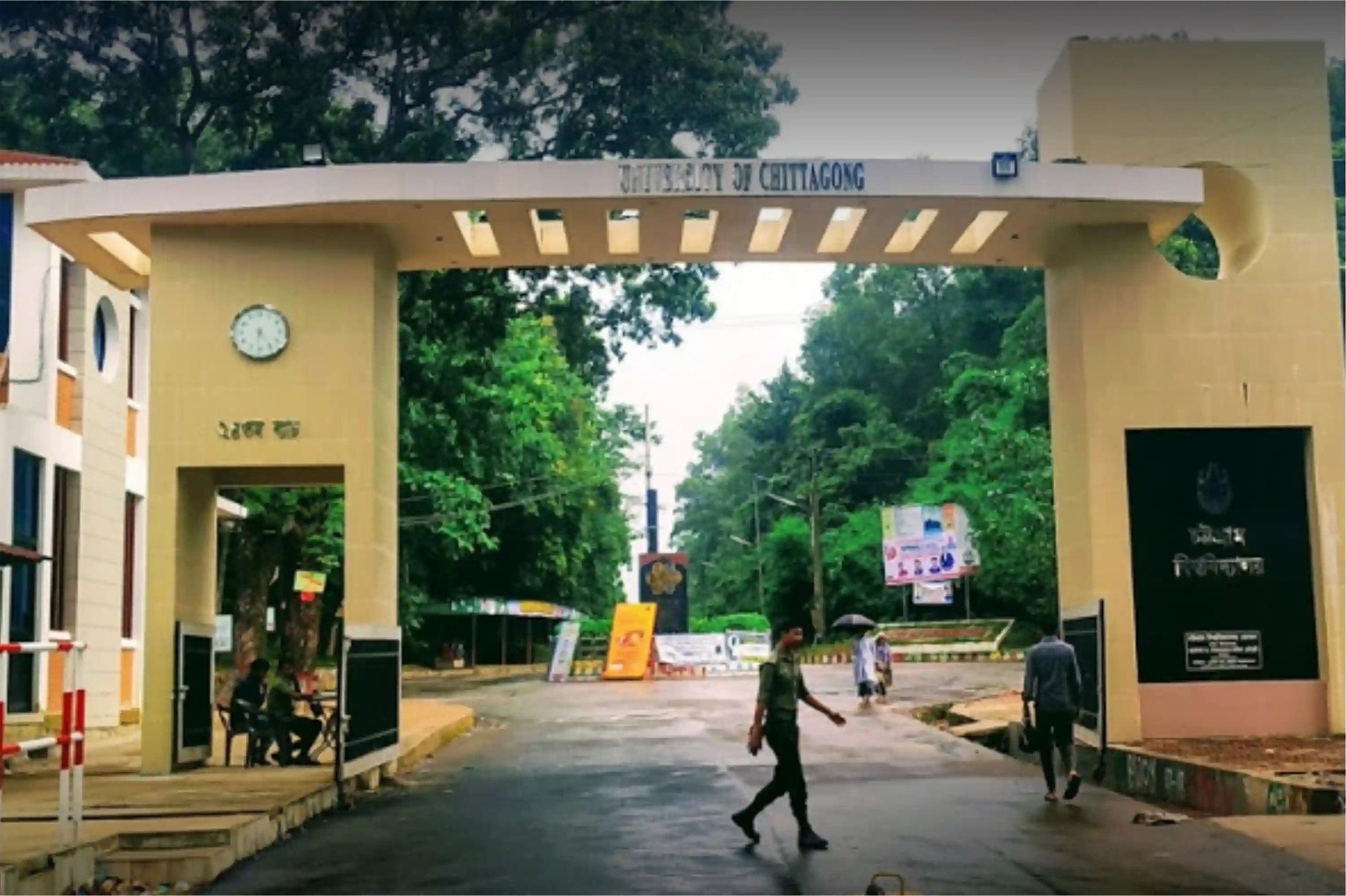
The University of Chittagong (CU) is one of Bangladesh’s most prestigious and historic public universities, widely recognized for its academic excellence, vibrant campus life, and strong commitment to global education. Guided by its vision, “Creative endeavor for reaching a global height in higher education,” CU strives to promote innovation, advanced research, and world-class learning. The university is dedicated to creative scholarship, interdisciplinary research, and educational outreach, continuously expanding its academic horizons through diverse programs, research publications, and international collaborations. Set within a campus rich in biodiversity, CU provides a supportive environment that fosters academic achievement alongside cultural and intellectual growth.

Hartog as the first Vice-Chancellor of the University.

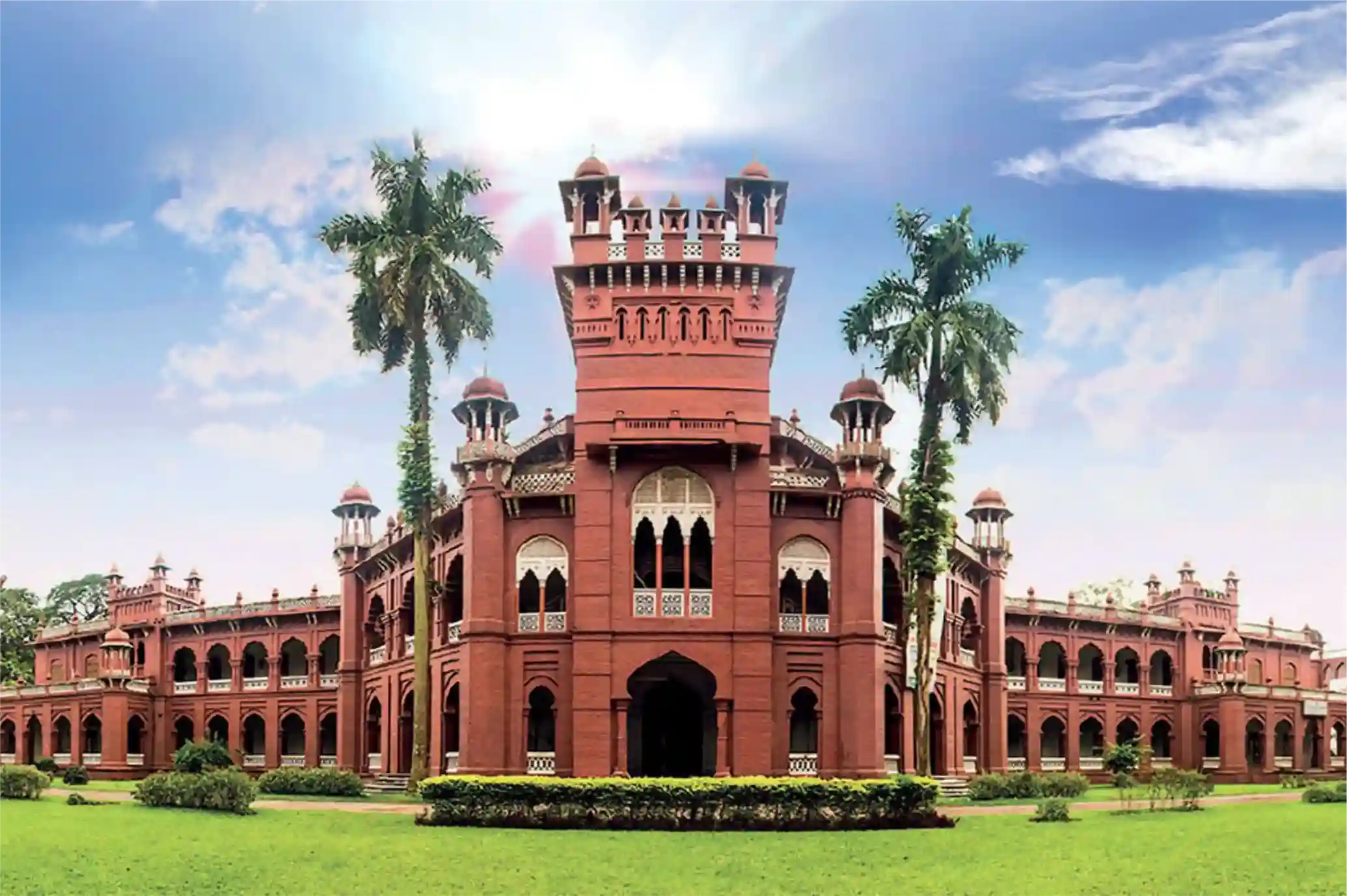
The University was established in the picturesque Ramna area of the city on 600 acres of land and began its academic journey with 3 faculties, 12 departments, 60 teachers, 877 students, and 3 residential halls. Over time, it has expanded significantly and now comprises 13 faculties, 83 departments, 12 institutes, 20 residential halls, 3 hostels, and more than 56 research centers, with approximately 37,018 students and 1,992 teachers. The University’s primary mission has been to create new areas of knowledge and disseminate them to society through education, a goal it has consistently pursued through the dedication of its distinguished faculty, whose contributions to teaching and research have enriched the global knowledge community. It also boasts a diverse and influential alumni network with strong national and global presence, having produced presidents, prime ministers, Nobel laureates, corporate leaders, and pioneers across various fields who continue to contribute significantly to governance, academia, business, science, the arts, and global development. Additionally, the University of Dhaka’s extensive research ecosystem, supported by over 56 research centers and widely indexed on global platforms such as Scopus, addresses critical challenges and actively contributes to international academic discourse, reinforcing its position as a leading institution for knowledge creation and dissemination.