
logo
Ago Medical and Educational Center Bicol Christian College of Medicine, The ability to handle new challenges

Deciding to study abroad is a major life decision and far more complex than planning a short overseas trip, as it requires adaptability, planning, and the ability to handle new challenges. We support you at every step of this journey, offering personalized one-to-one guidance to help you choose the right courses and universities aligned with your goals. From shortlisting institutions and programs to visa assistance, SOP and LOR editing, and test preparation such as IELTS, we ensure you remain informed and confident throughout the process. With strong international partnerships, in-depth knowledge of scholarships, and safeguards against fraud, we provide a secure and transparent approach while speeding up applications and offering multiple study destination options. Our team is prompt and responsive, facilitates direct meetings with university representatives, assists with visa interviews, and connects you with current students abroad to ensure a smooth transition and a successful study-abroad experience.
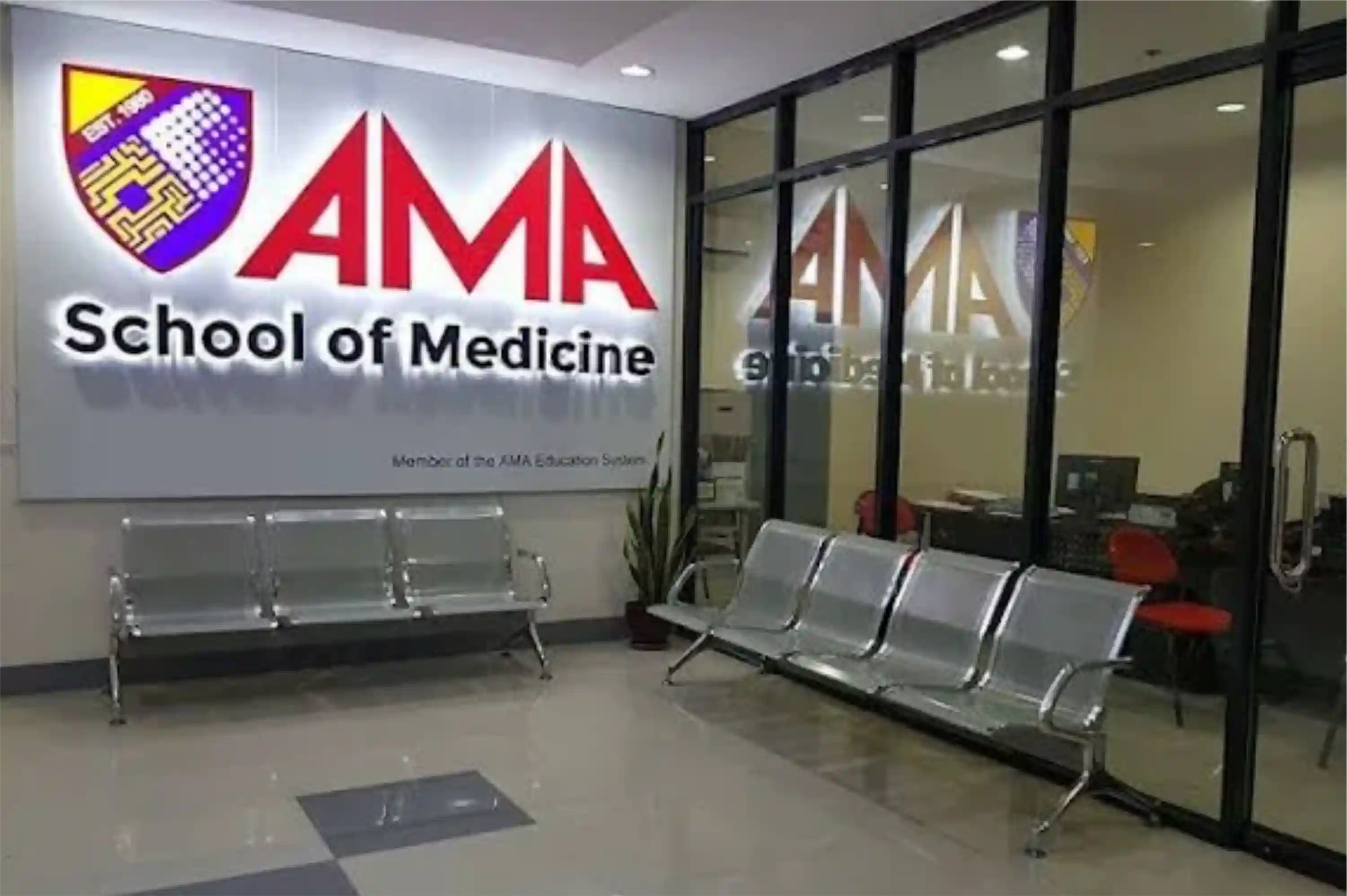
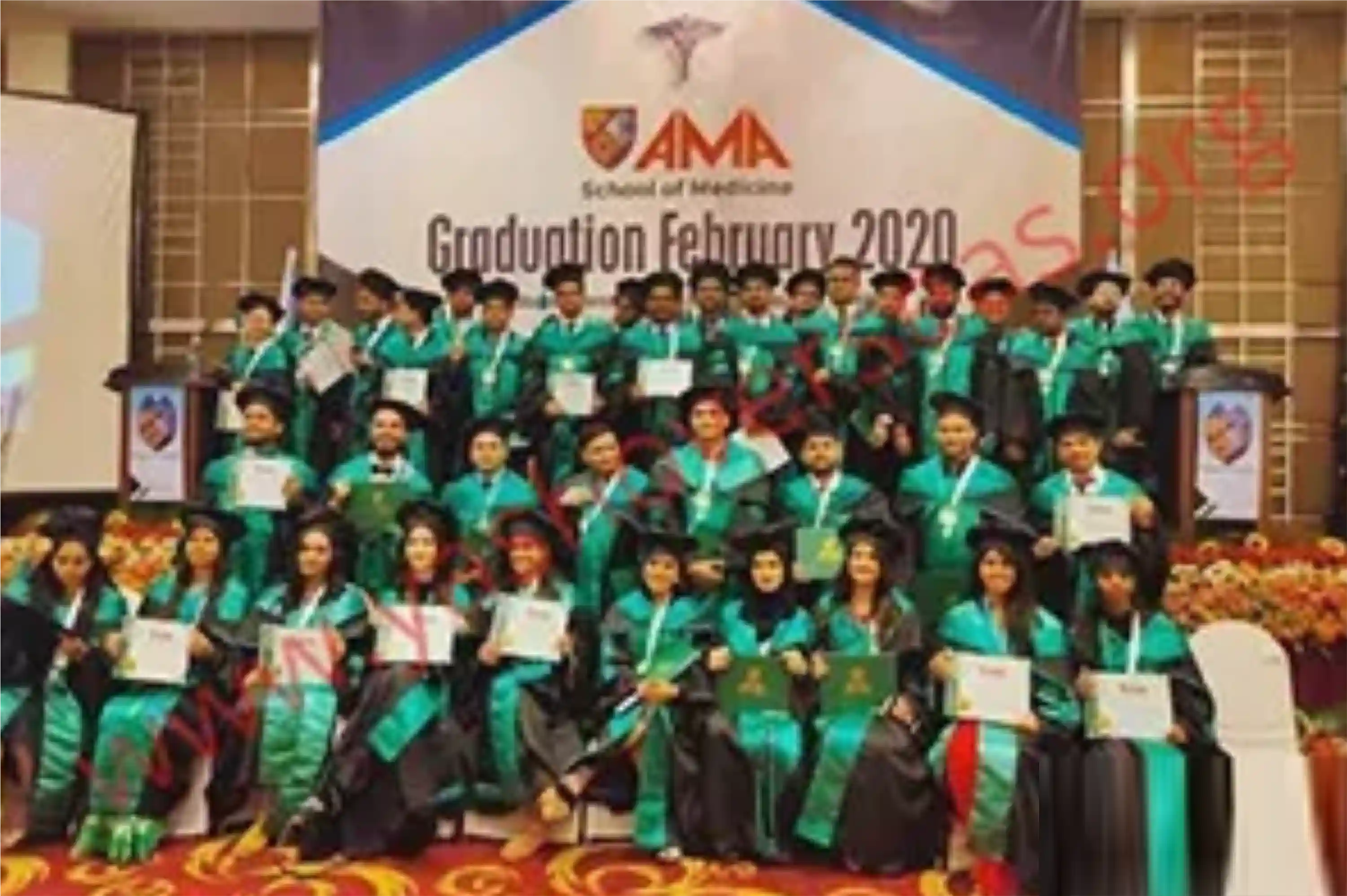
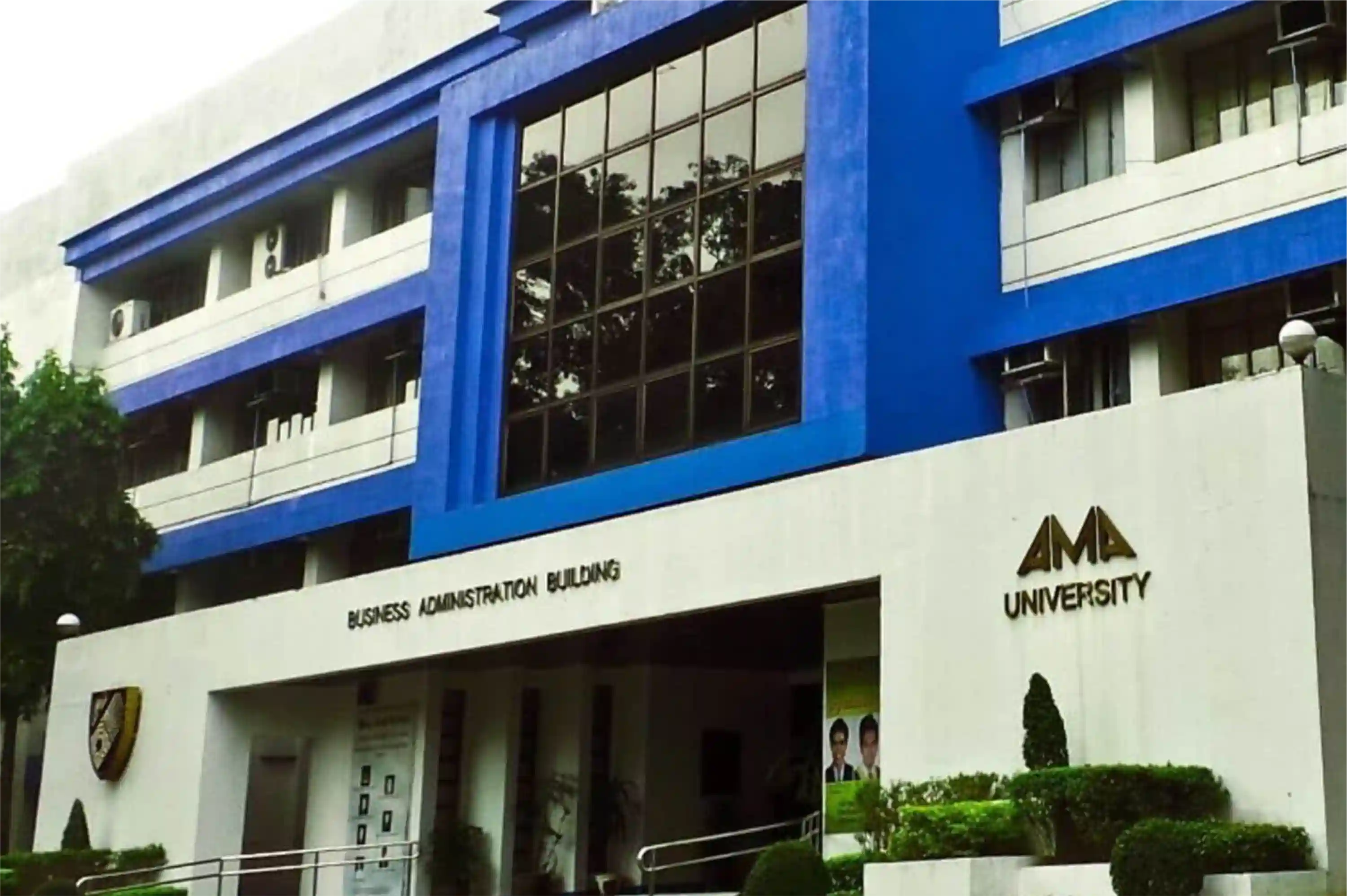
AMA School of Medicine (AMASOM), the medical school of the AMA Education System

AMA School of Medicine (AMASOM), the medical school of the AMA Education System, is located at AMA College Makati in the heart of Makati City, the Philippines’ financial and business hub, and offers a modern, student-centered medical education supported by strong infrastructure and academic expertise. AMASOM provides well-equipped laboratories for Histology, Gross Anatomy, Microbiology, Parasitology, and Pathology, including hands-on cadaver dissection, and delivers a four-year integrated MD curriculum based on innovative case-based, problem-based, and information technology–enhanced learning. The program develops clinical reasoning, critical thinking, and lifelong learning skills, with the first three years integrating basic and clinical sciences through organ-system modules and small-group PBL sessions, and the final year focused on hands-on clinical training in affiliated hospitals and community settings. Supported by an experienced faculty from diverse specialties, affordable payment options, strong hospital affiliations, and advanced learning resources, AMASOM’s MD degree is recognized by the Medical Council of India (MCI) as equivalent to the MBBS degree, enabling Indian graduates to practice in India after completing required licensing formalities.

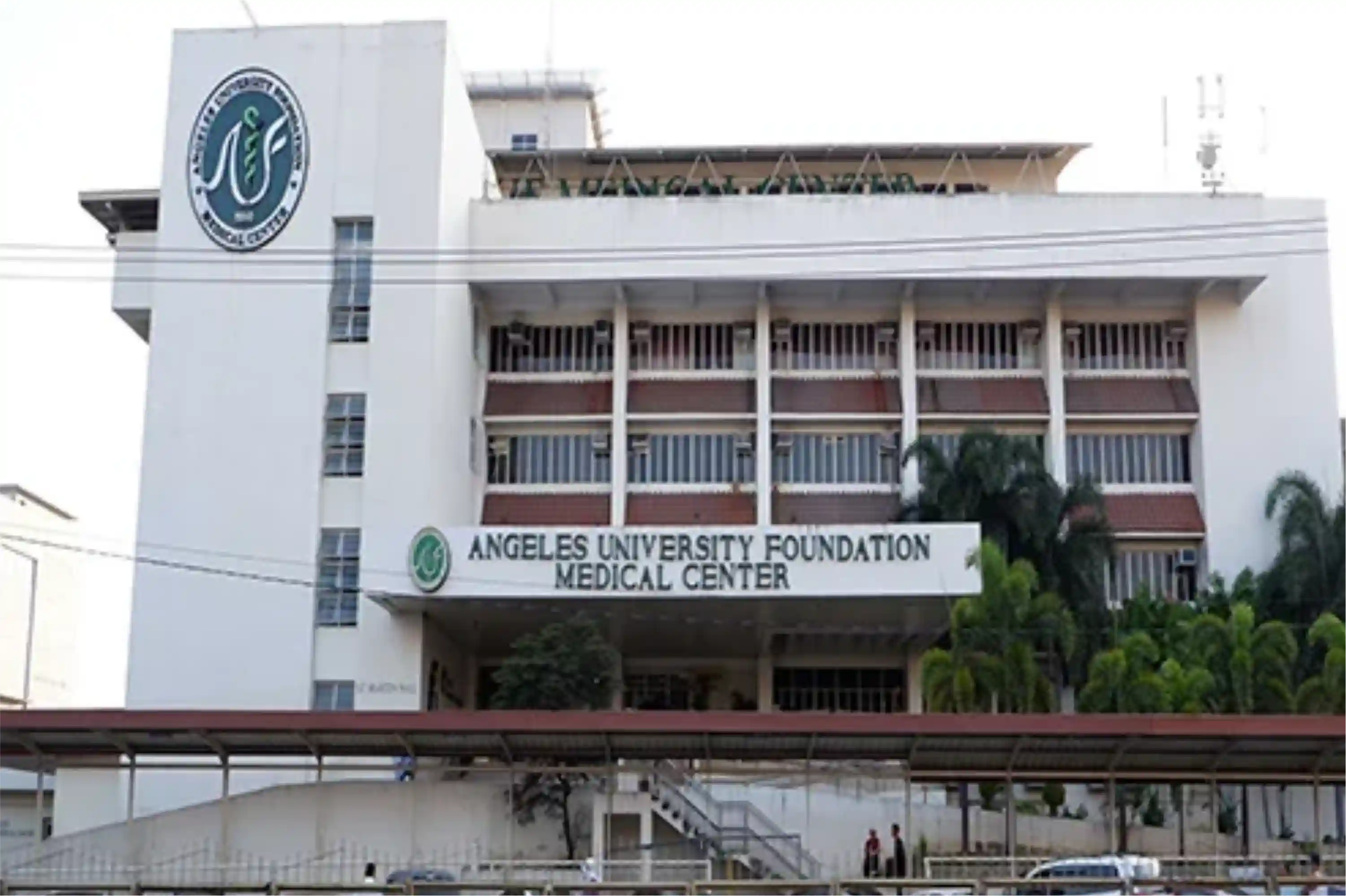
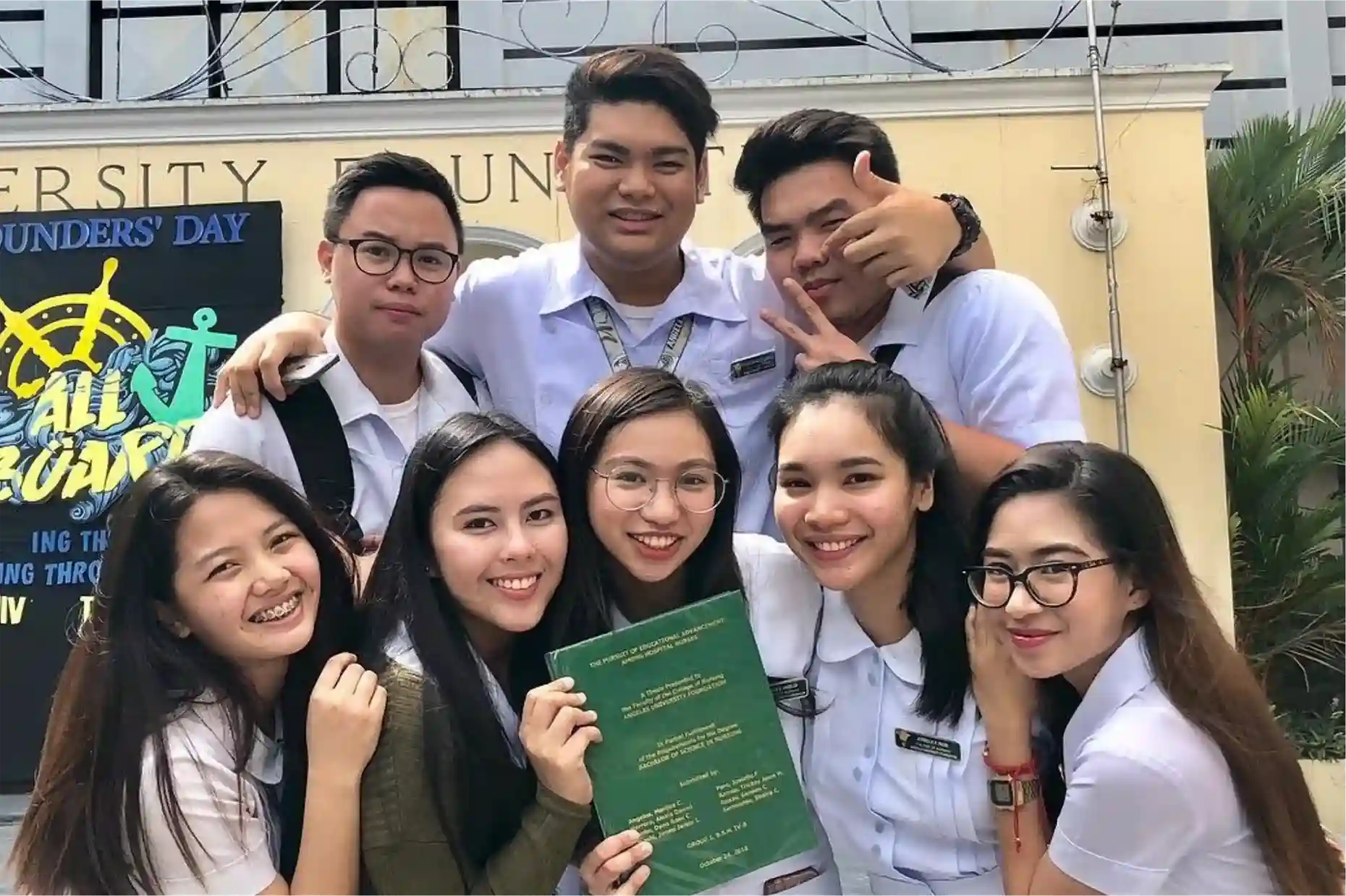
Angeles University Foundation Medical Center (AUFMC)

Angeles University Foundation Medical Center (AUFMC) was established by civic-minded individuals to meet the public need for a modern and efficient healthcare facility and was inaugurated on February 23, 1990, with President Corazon C. Aquino as Principal Sponsor, President Diosdado P. Macapagal as Chairman of the Board, and Dr. Emmanuel Y. Angeles as President and Chief Executive Officer. The medical center formally opened on May 25, 1990, with its first building constructed through the Philippine Social Security System’s Hospital Loan Program, while initial equipment was financed by the Development Bank of the Philippines and supplemented by donations of equipment, furniture, and supplies from hospitals in California, USA. AUFMC further expanded by winning a bid to acquire the entire St. Anthony’s Family Medical Center in Milwaukee, Wisconsin, facilitated through the intervention of Cardinal Jaime Sin, Archbishop of Manila, and the Archbishop of Milwaukee.

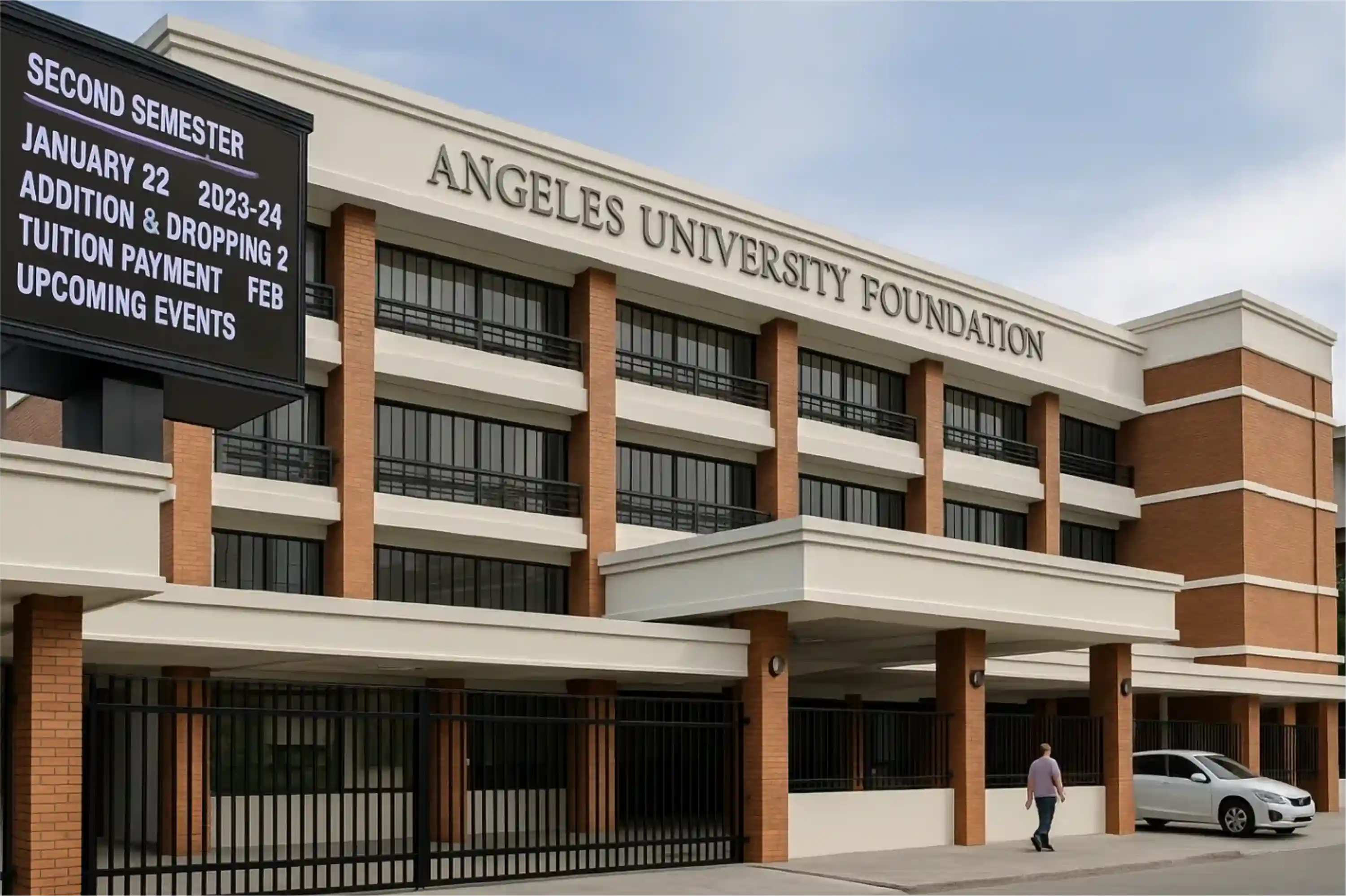
Angeles University Foundation Medical Center (AUFMC) is a non-profit institution that reinvests all income and operational surplus into charity care, employee benefits, and the continuous improvement of hospital facilities. Its management and financial support are primarily provided by the Angeles University Foundation and the Angeles University Development Foundation, Inc. The Angeles University Foundation, established in 1962, is a non-stock, non-profit educational institution and the parent organization of AUFMC, accredited by the Philippine Council for Non-Government Organization Certification, making all local donations tax deductible and exempt from donor’s tax. The Angeles University Development Foundation, Inc., based in Virginia, USA, supports both institutions and is certified by the US Treasury Department to receive donations that are exempt from federal taxes.

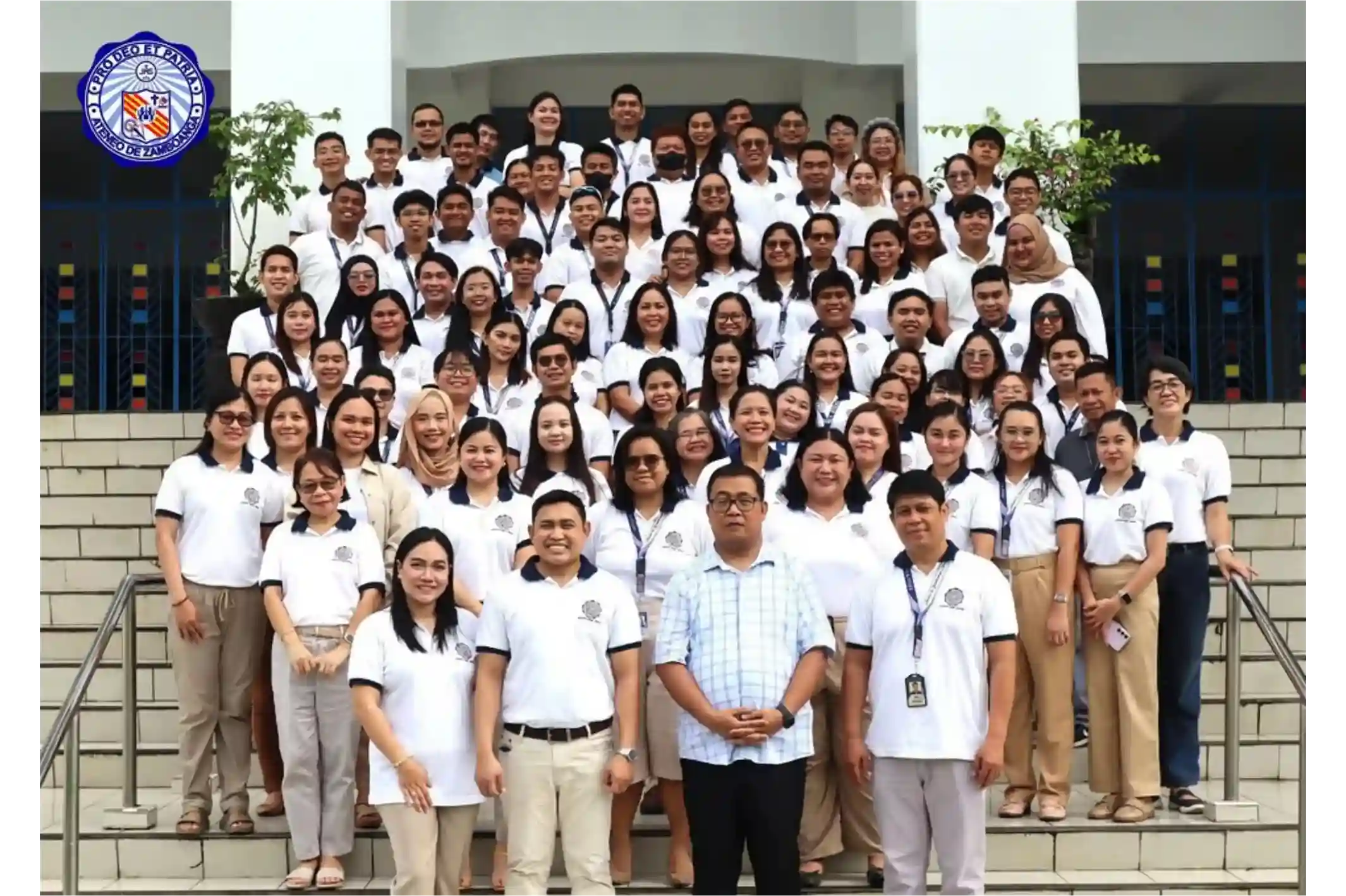
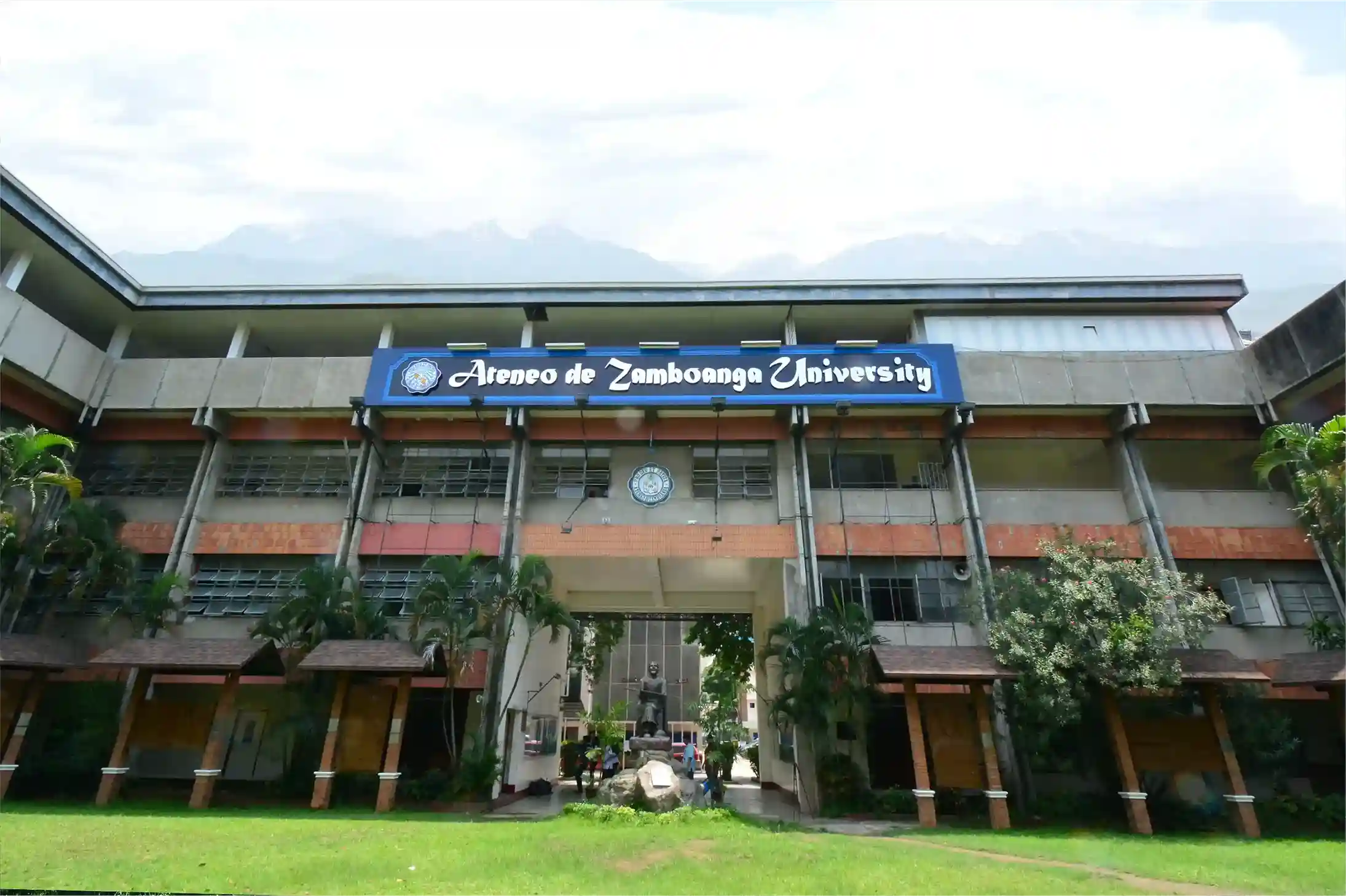
Ateneo de Zamboanga began in 1912 as Escuela Catolica

Ateneo de Zamboanga began in 1912 as Escuela Catolica, a parochial school run by Spanish Jesuits at the site of the Immaculate Conception Church, with Fr Manuel M. Sauras SJ as its first director, and was renamed Ateneo de Zamboanga in 1916. American Jesuits assumed leadership in 1930 under Fr Thomas Murray SJ, with classes held at the Knights of Columbus building, and the first high school graduates completed their studies in 1932. The school expanded its facilities in 1938 but was closed during World War II and later damaged during the 1945 liberation of the city. It reopened in 1947 at a new site, gained recognition as a Jesuit school independent of the parish in 1948, and experienced rapid growth after the war, establishing a college in 1952 and a graduate school in 1976. Efforts to attain university status began in the 1980s and culminated on August 20, 2001, when the Commission on Higher Education declared Ateneo de Zamboanga a university and granted it fully autonomous status, making it the only institution in Western Mindanao with such recognition. The university was formally inaugurated on December 8, 2001, during the Ateneo Fiesta and Alumni Homecoming, marking a significant milestone in its long tradition of excellence in education, research, and community service.

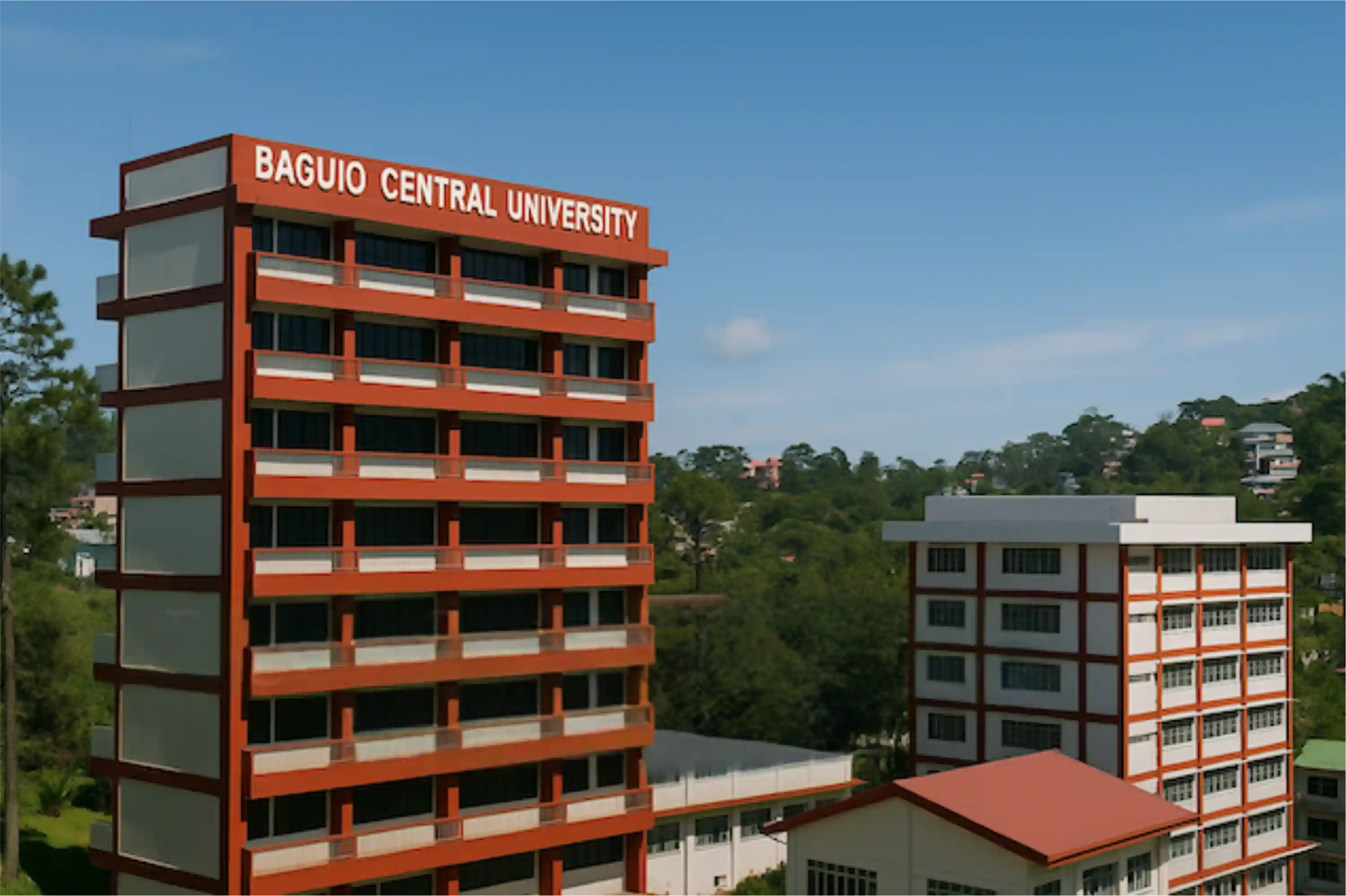
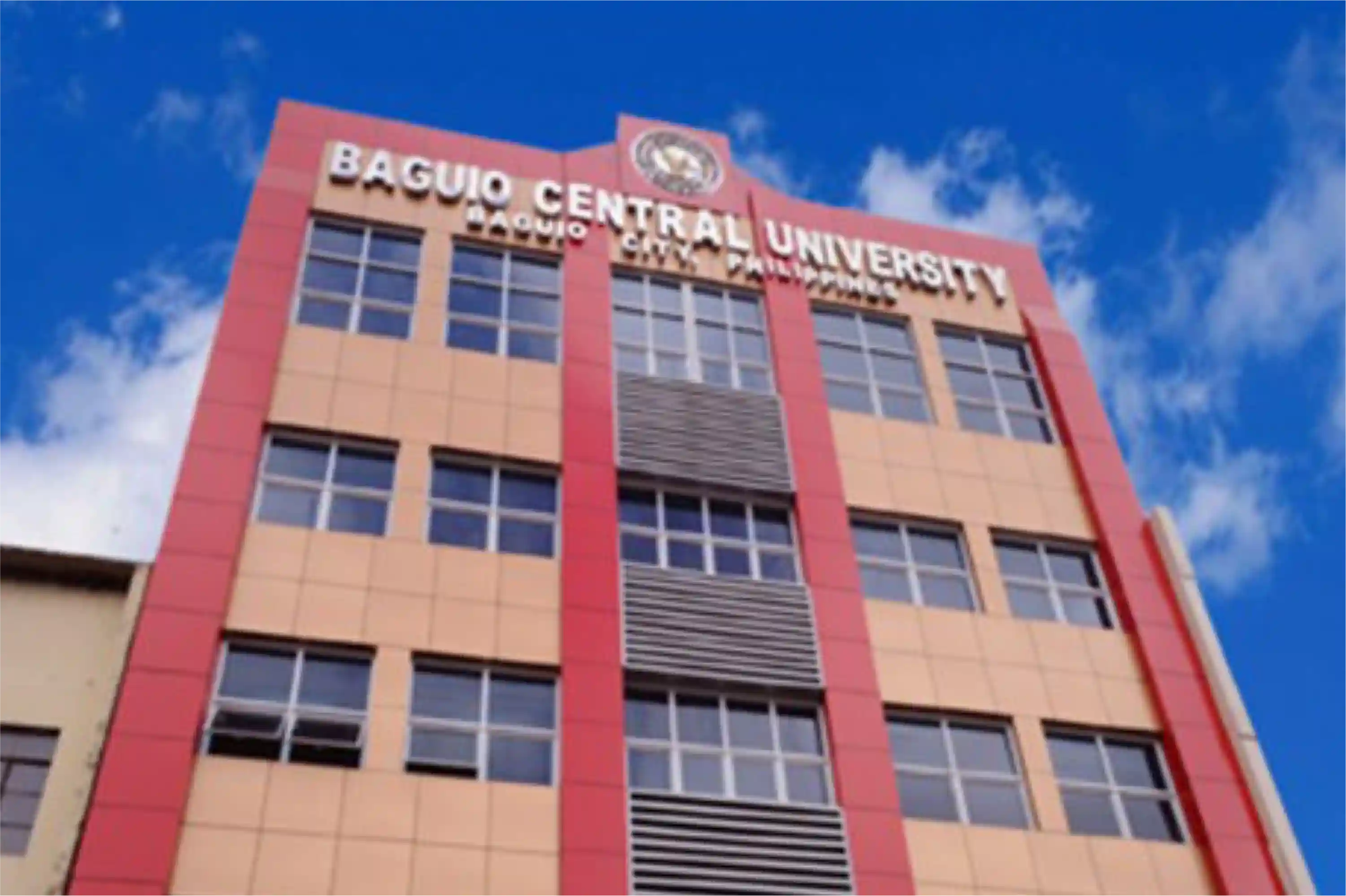
Baguio Central University traces its roots to 1945 when the late Godofredo H

Baguio Central University traces its roots to 1945 when the late Godofredo H. Fernandez, with the support of his wife Margarita Joven Fernandez, founded Centro Academy as a vocational school to meet postwar needs; it expanded into secondary education in 1949 as Centro Industrial School and later evolved into a private corporation offering college, graduate, and professional programs from the early 1950s onward. Over the decades, the institution continuously broadened its academic offerings, underwent several name changes, and was eventually established as Baguio Central University, with Dr. Margarita J. Fernandez becoming its first president on December 2, 1978. The university further diversified with programs in hospitality, preschool education, computer studies, caregiving, medicine, criminology, and accreditation initiatives such as ETEEAP, while achieving program accreditations and structural expansion. Guided by the values of liberty, justice, truth, and equity, Baguio Central University has continued to grow and adapt to global educational demands, with leadership passed on in 2011 to Mrs. Margarita Cecilda Bulaqueña Rillera, who continues the legacy and vision of the university’s founders.