
logo

Study Abroad

Home Study in CHINA
AMC has earned wide recognition for educational quality and institutional excellence.

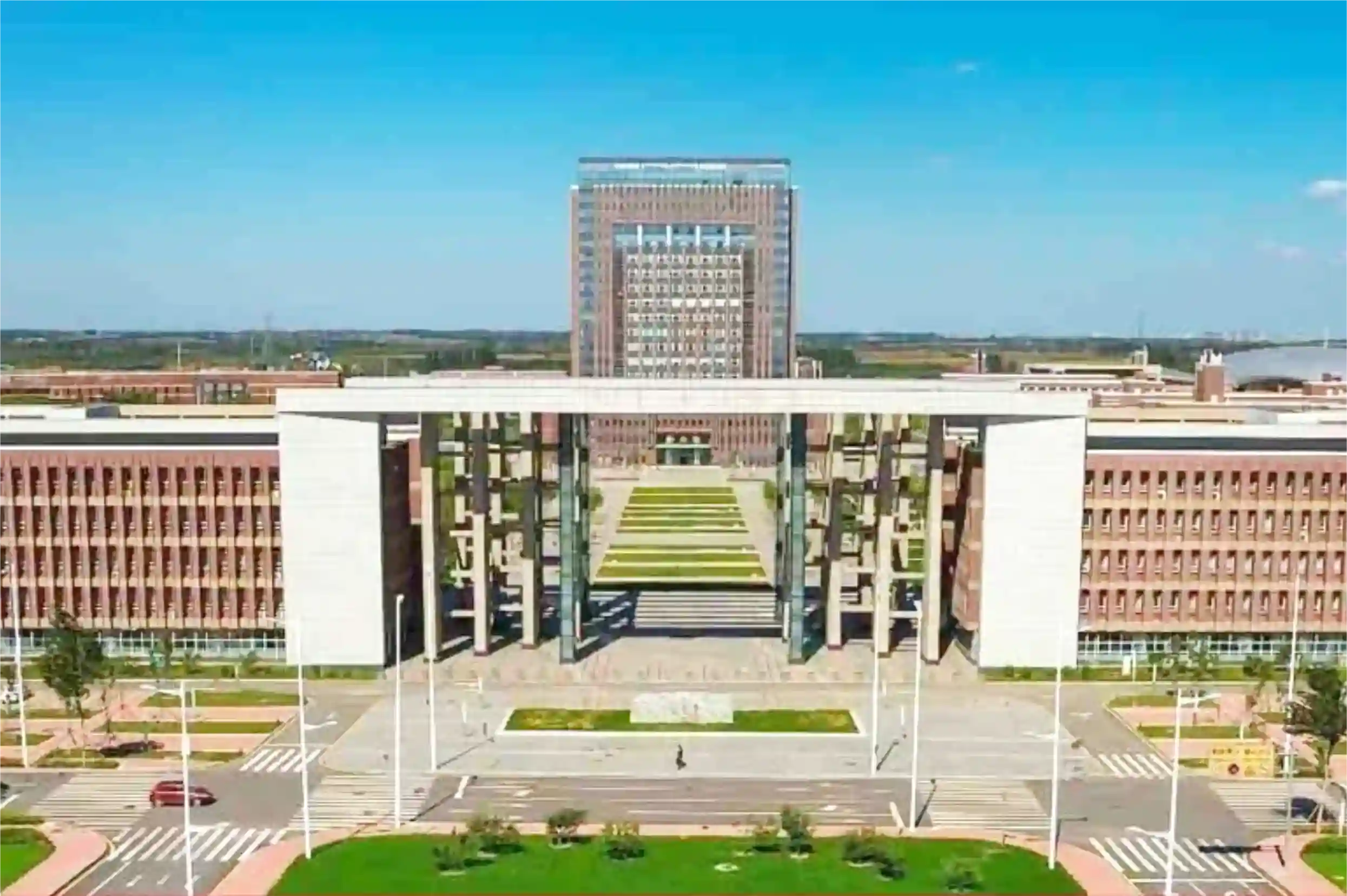
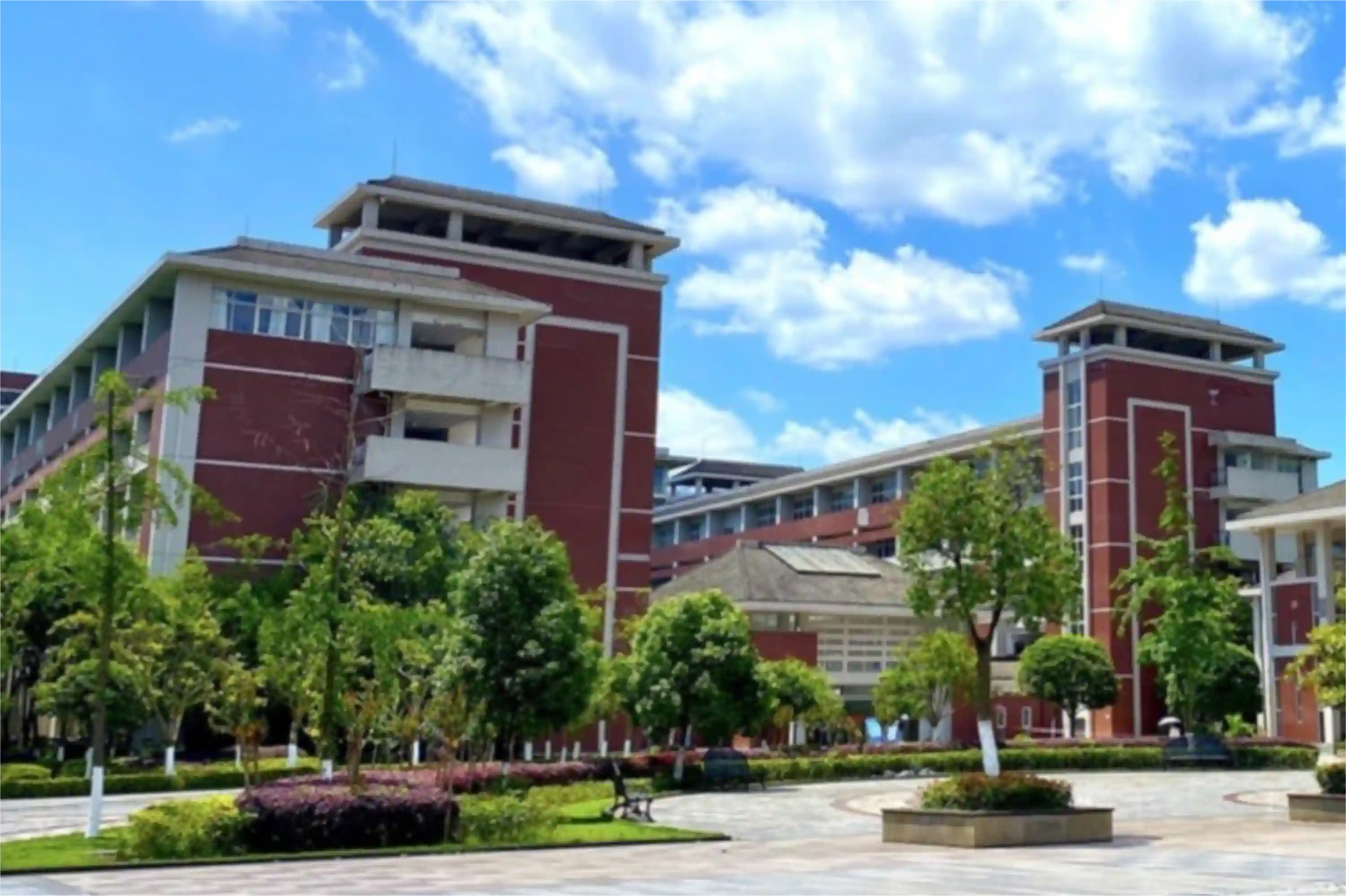
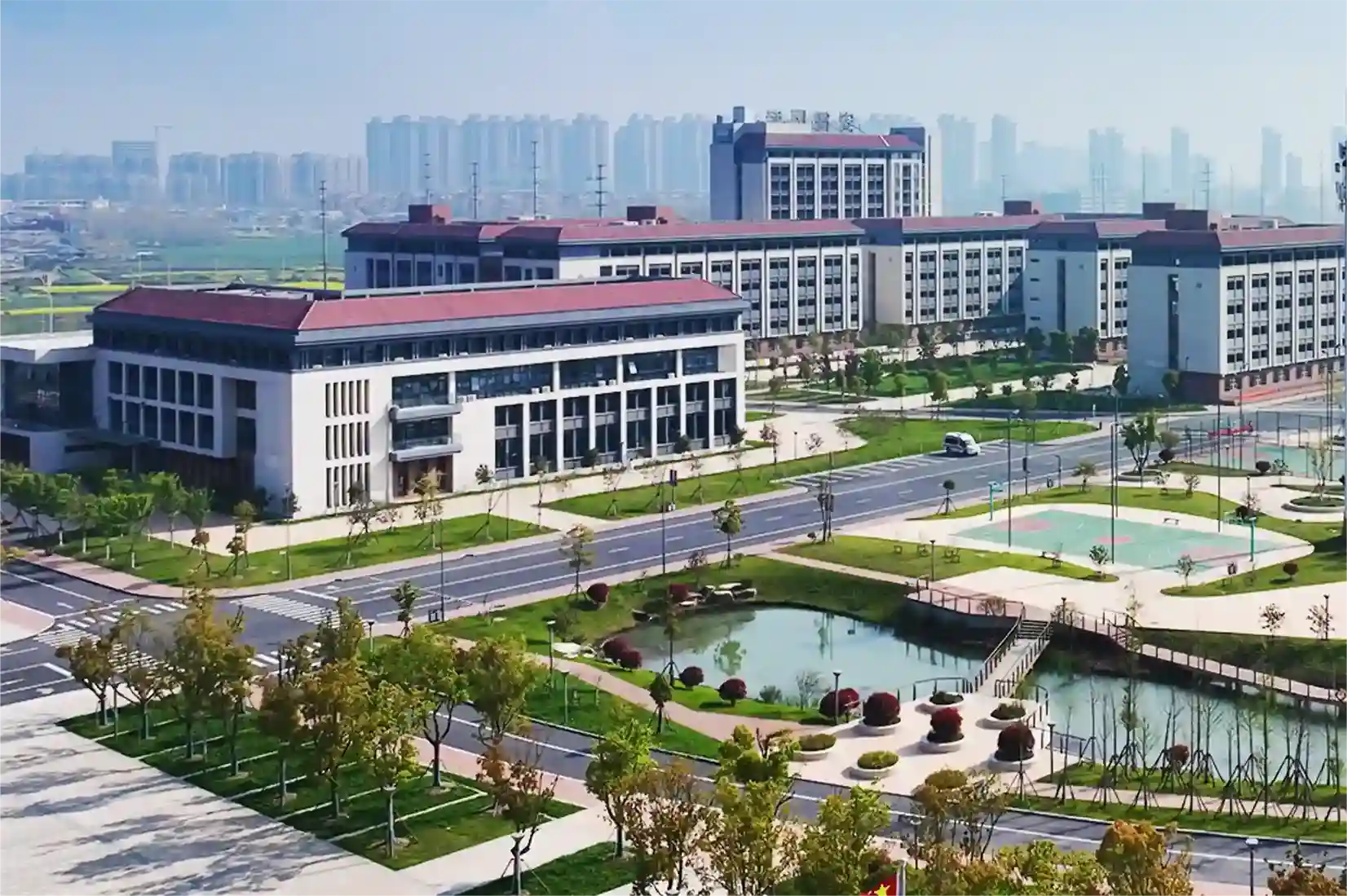
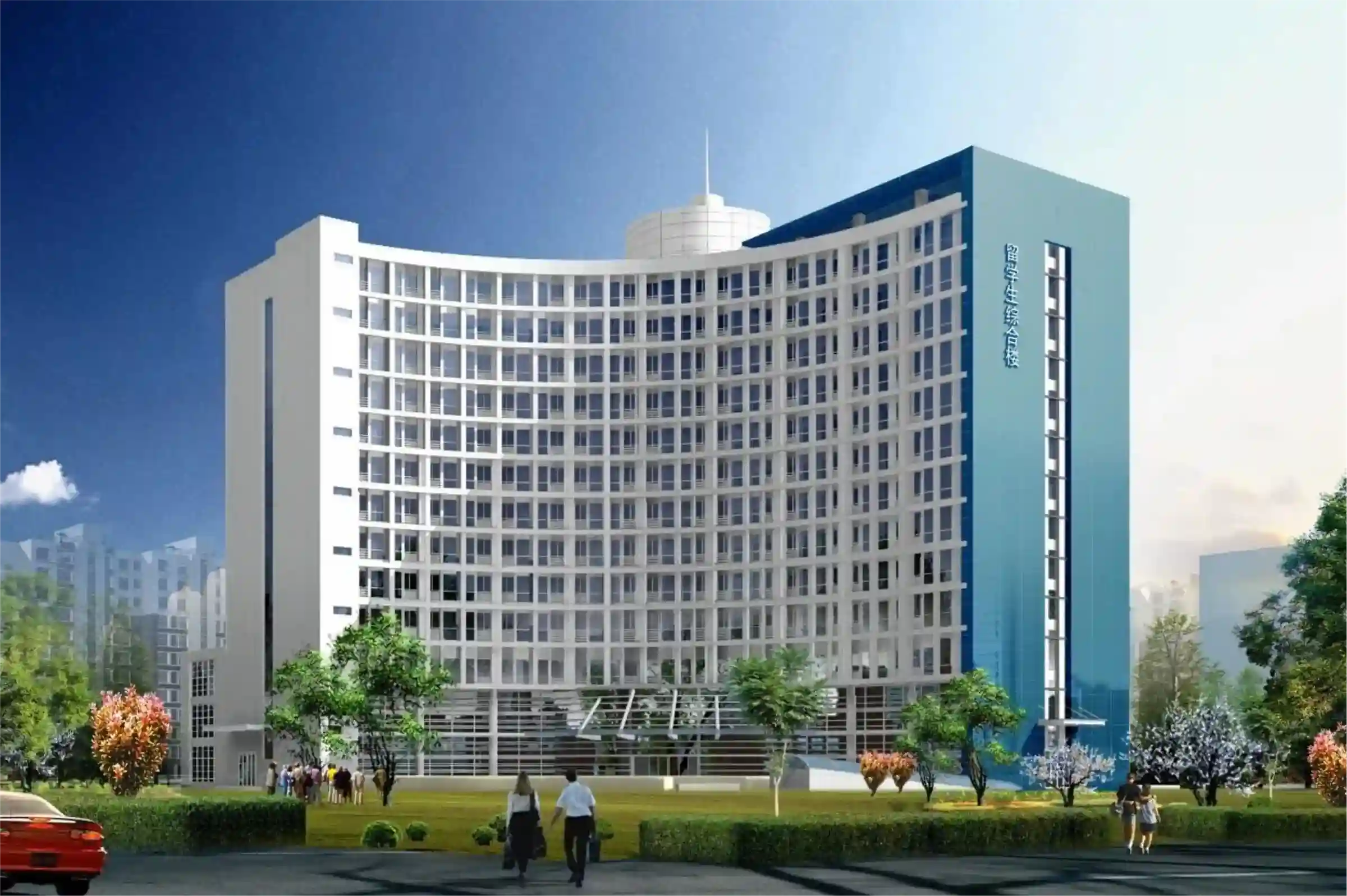
Anhui Medical College (AMC) is a public general junior college directly administered by the Anhui Provincial Health Commission. With approval from the Anhui Provincial People’s Government and registration with the Ministry of Education, AMC has been included in Anhui Province’s “14th Five-Year Plan” for the upgrading of higher education institutions to undergraduate medical colleges. Located in Hefei City, AMC operates across three main campuses—Wuhu Road, Furong Road, and Xinqiao—covering a total area of 78.84 hectares. The college currently enrolls nearly 12,000 full-time higher vocational students and about 330 undergraduate students in joint training programs.AMC traces its origins to Hefei Health School, founded in 1955. The institution was relocated to Chaohu City in 1969 and returned to Hefei in September 1974, when it became the Anhui Provincial Health Cadre Training School. Hefei Health School was restored in July 1978, upgraded to Anhui Health Vocational and Technical College in June 2001, and officially renamed Anhui Medical College in March 2002.Over the years, AMC has earned wide recognition for educational quality and institutional excellence. It is designated as a national high-quality junior college and a national “Double High Plan” construction institution, and is among the first batch of pilot institutions for the Ministry of Education’s “Three Comprehensive Education” reform. AMC is also recognized as one of China’s top 50 colleges for exemplary graduate employment, a national model Party branch cultivation unit, a pilot institution for the Excellence in Doctor Education and Training Program, a national smart education platform pilot school, and a national health school construction unit. At the provincial level, it is a model higher vocational college in Anhui, a high-level skill-oriented institution, a demonstration college for “Double Foundation” construction, a pioneer in curriculum-based ideological and political education, and a demonstration school for innovation and entrepreneurship. The college has further received honors such as the National Advanced Unit for Spiritual Civilization Construction and the National Advanced Collective in the Health System, and has been rated “Excellent” in multiple provincial evaluations of talent cultivation and institutional performance.

CUCAS can provide you with an easy journey from airport to university.

Qualified applicants can reserve university accommodation through the CUCAS Accommodation Booking Service System, which primarily offers student dormitory options. If you prefer not to live on campus, CUCAS can also guide you in selecting nearby hotels. This accommodation service is completely free for students applying through CUCAS.After a long international journey, navigating a new country can be challenging—finding the correct route, overcoming language barriers with taxi drivers, or locating the university registration venue upon arrival. To ease these concerns, the CUCAS Pickup Service is available. Our staff will meet you at the airport arrival area holding a sign with your name and the CUCAS logo, ensuring a smooth and stress-free transfer. In addition, CUCAS provides registration assistance for students arriving in Beijing. Simply book your flight and inform us of your arrival time, and we will take care of the rest.
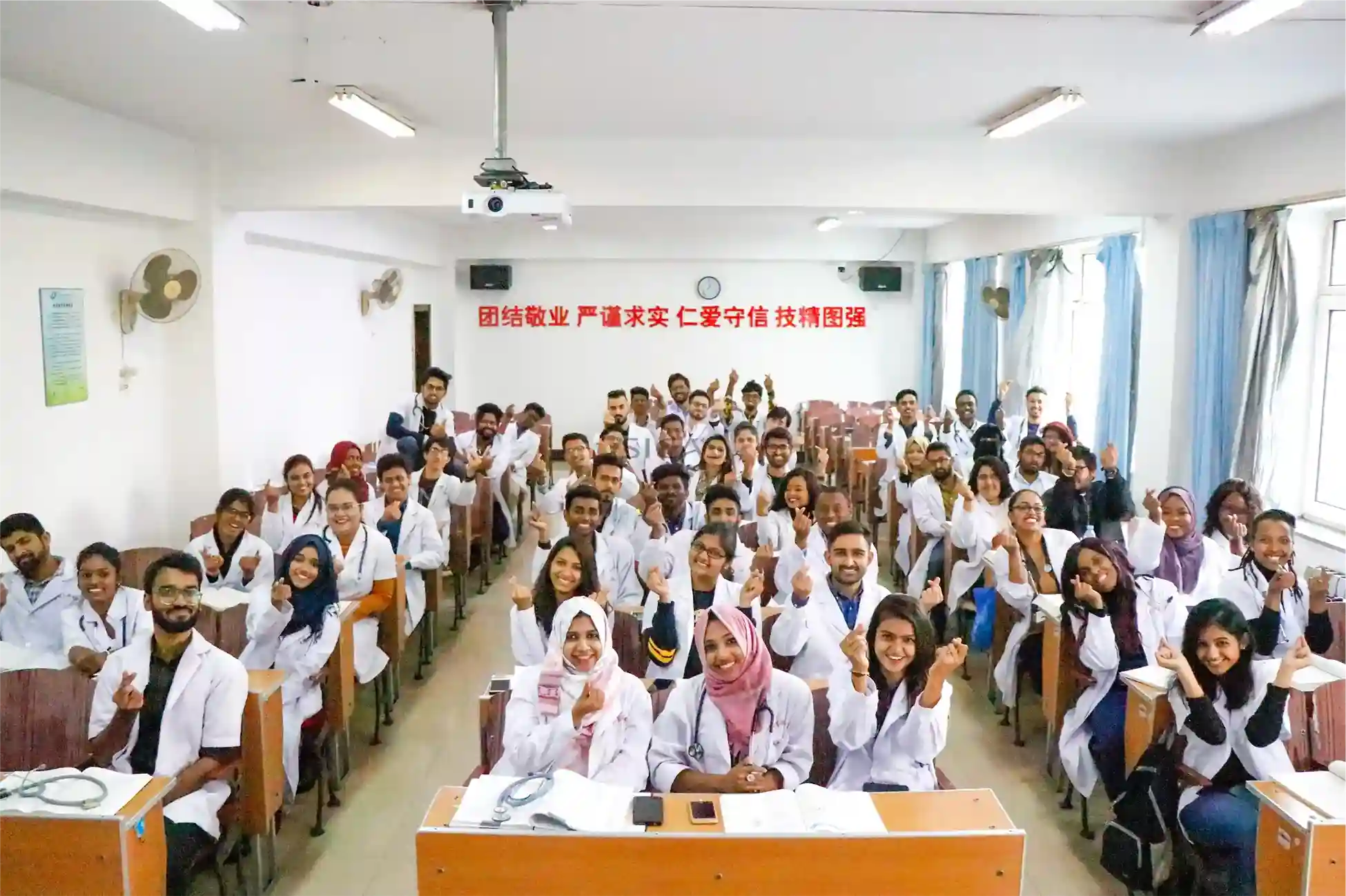
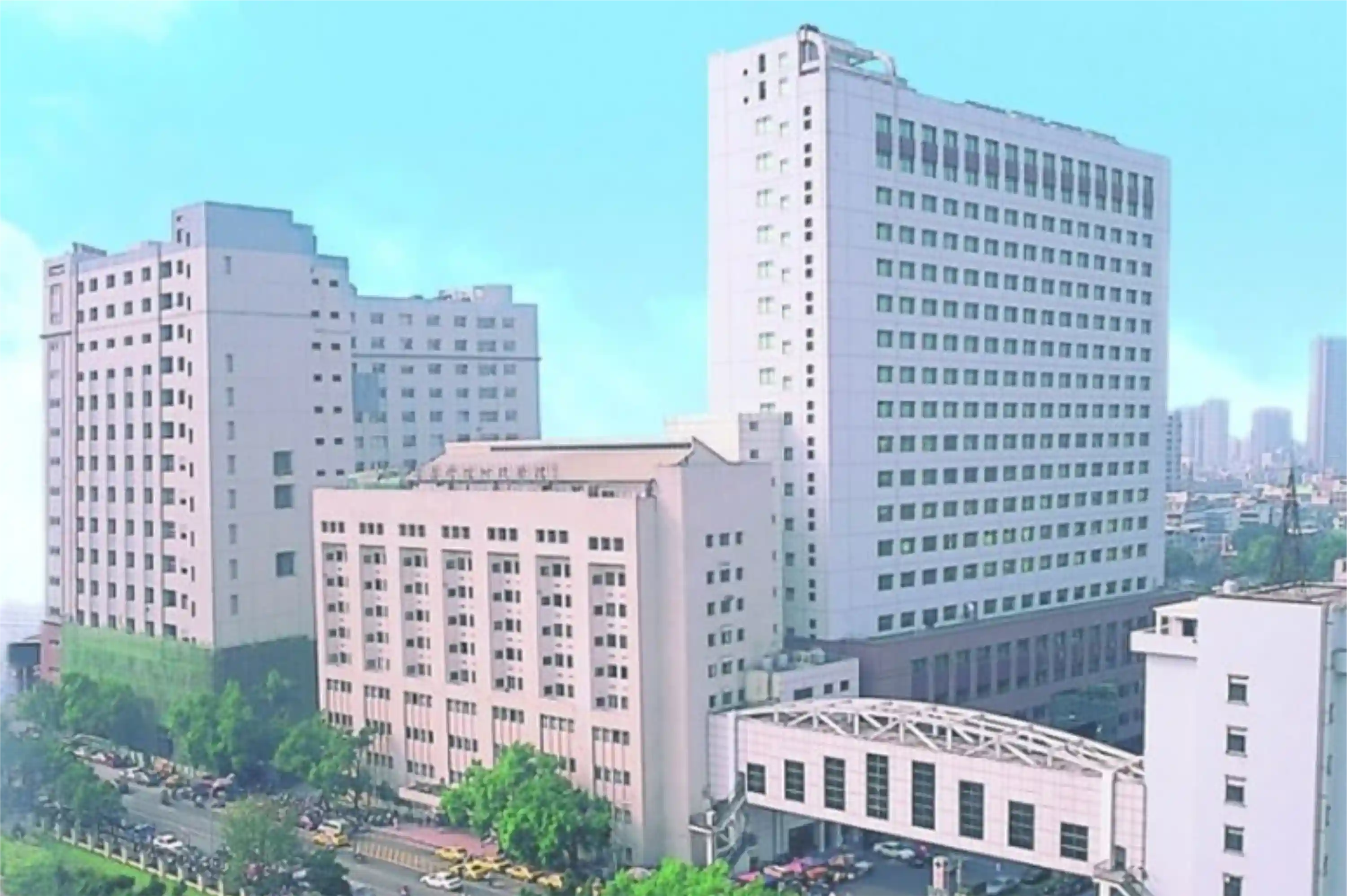
The search results also mention a "China Medical University" in mainland China (Shenyang), which is a separate institution.

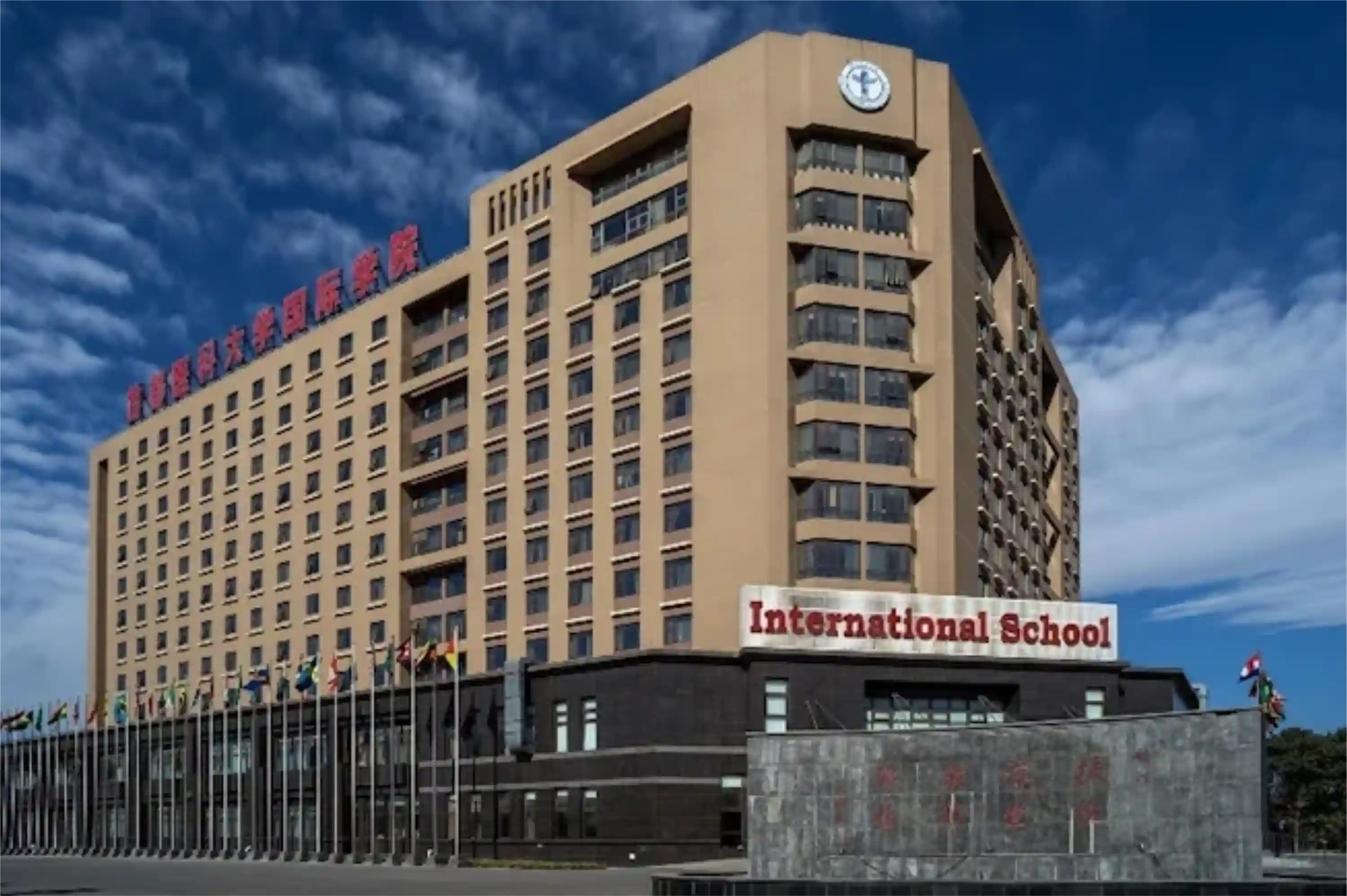
China Medical University (CMU) was established in 1931 and was previously affiliated with the Ministry of Health (MOH). It is now jointly administered by the Ministry of Education, the National Health and Family Planning Commission, and the Liaoning Provincial Government. In 1940, following a proposal by Comrade Mao Zedong and approval by the Central Committee of the Chinese Communist Party, the institution was officially named China Medical University. In 1948, CMU absorbed the former National Shenyang Medical School (originally Manchuria Medical College, established in 1911 by the Japanese South Manchuria Railway) and the former private Liaoning Medical College (formerly Shengjing Medical College, founded in 1883 by the United Presbyterian Church of Scotland). As a result, CMU became one of the earliest institutions in China to provide higher education in Western medicine. Since its founding, the university has trained more than 90,000 senior medical professionals, including nine ministers or vice ministers of the central government, over 40 army generals, and 14 academicians of the Chinese Academy of Sciences and the Chinese Academy of Engineering.CMU operates two campuses located in the Shenbei New Area and the Heping District of Shenyang City and comprises 33 colleges and departments. The university is authorized to award degrees in medicine, education, science, engineering, philosophy, and management. It offers doctoral programs in basic medicine, clinical medicine, biology, stomatology, public health and preventive medicine, and nursing, with a total of 53 doctoral programs, 63 master’s programs, and 21 bachelor’s programs. CMU has 5 national key disciplines, 1 national key discipline under cultivation, 40 national key clinical specialty programs recognized by the National Health and Family Planning Commission, and 7 postdoctoral research stations. The university is supported by three general affiliated hospitals and one dental hospital, providing 10,785 hospital beds and 240 comprehensive dental treatment chairs.CMU employs 9,157 registered staff members, including 751 professors and 1,087 associate professors, with 1,240 serving as postgraduate supervisors. The university currently enrolls 15,548 full-time students, including 1,182 doctoral students, 4,821 master’s students, and 9,081 undergraduate students. In addition, CMU hosts 1,156 international students from 69 countries, reflecting its strong global presence and academic reputation.

The top universities for Medicine in China include Tsinghua University in Beijing, Peking University in Beijing, and Fudan University in Shanghai.

The cost of pursuing an MBBS in China generally ranges between ₹20 lakhs and ₹40 lakhs (INR) in total, including tuition and hostel fees, depending on the university and whether the program is offered in English or bilingual mode. Annual tuition fees typically fall between 30,000 and 45,000 RMB (approximately ₹3.5 lakhs to ₹6 lakhs+ INR), while top universities such as Peking University and Fudan University may charge higher fees. Overall, studying MBBS in China remains a cost-effective alternative compared to private medical colleges in India. Among Chinese universities, Chongqing University is particularly well ranked in Built Environment, Engineering, Technology, and Business disciplines. For students aspiring to secure a 100% scholarship to study abroad, it is essential to maintain an excellent academic record, achieve strong test scores, obtain impactful recommendation letters, and prepare a compelling Statement of Purpose (SOP) that highlights academic achievements and career goals. Applicants should actively research and apply for government, university, and private scholarships—such as Fulbright, DAAD, and Chevening—carefully follow application guidelines, apply early, and submit multiple applications to universities and countries known for offering fully funded programs to maximize their chances of success.

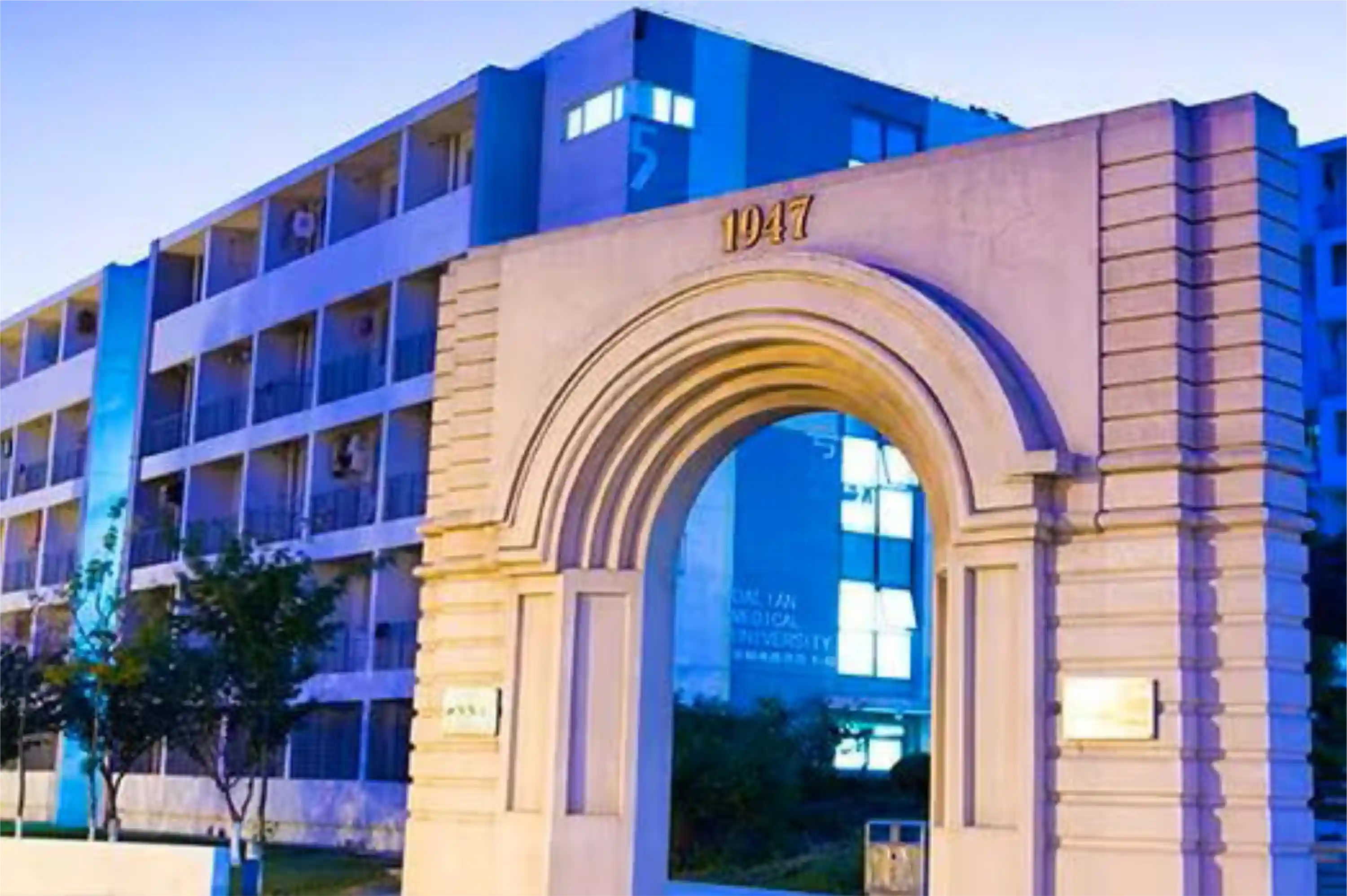
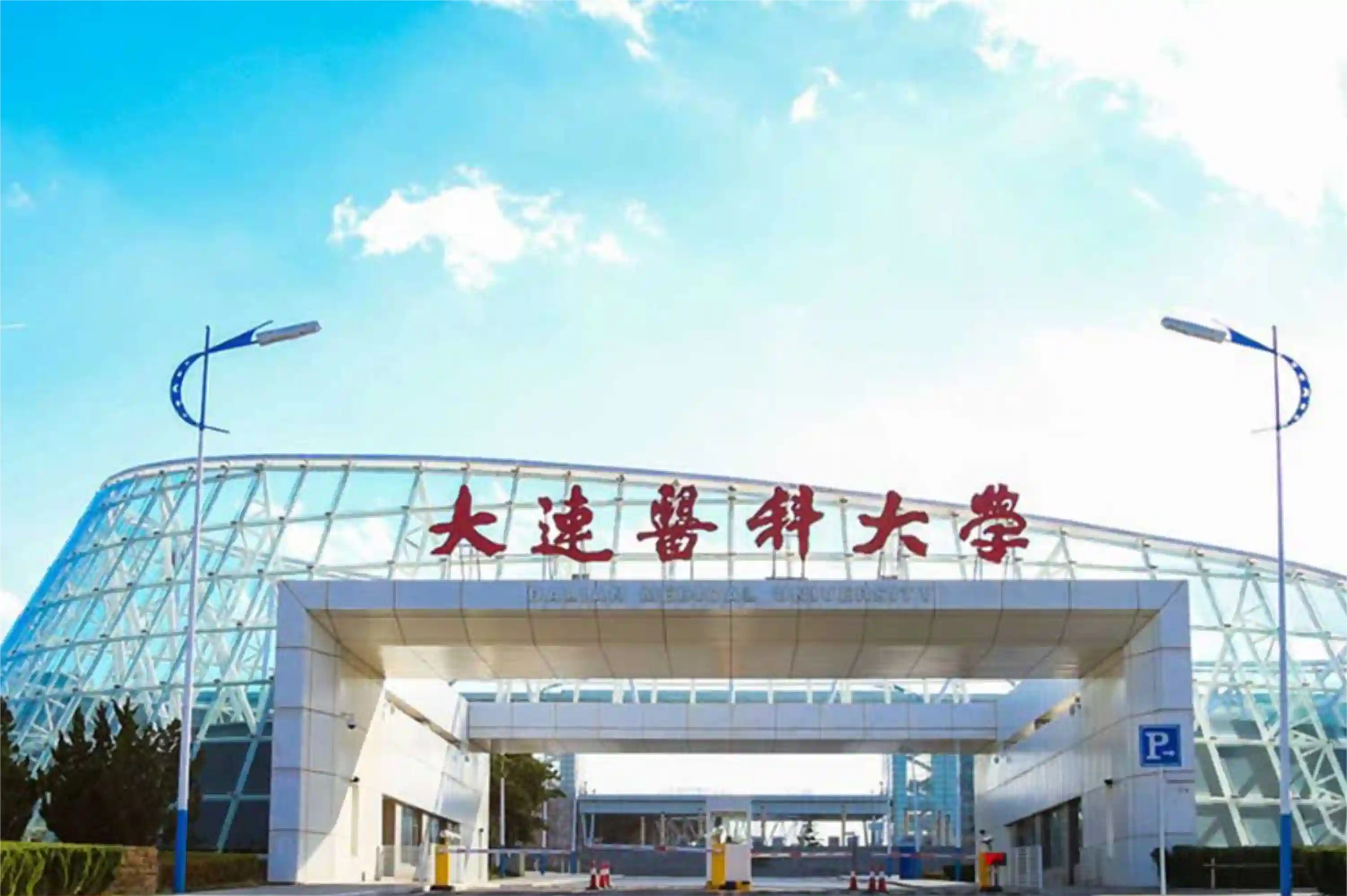
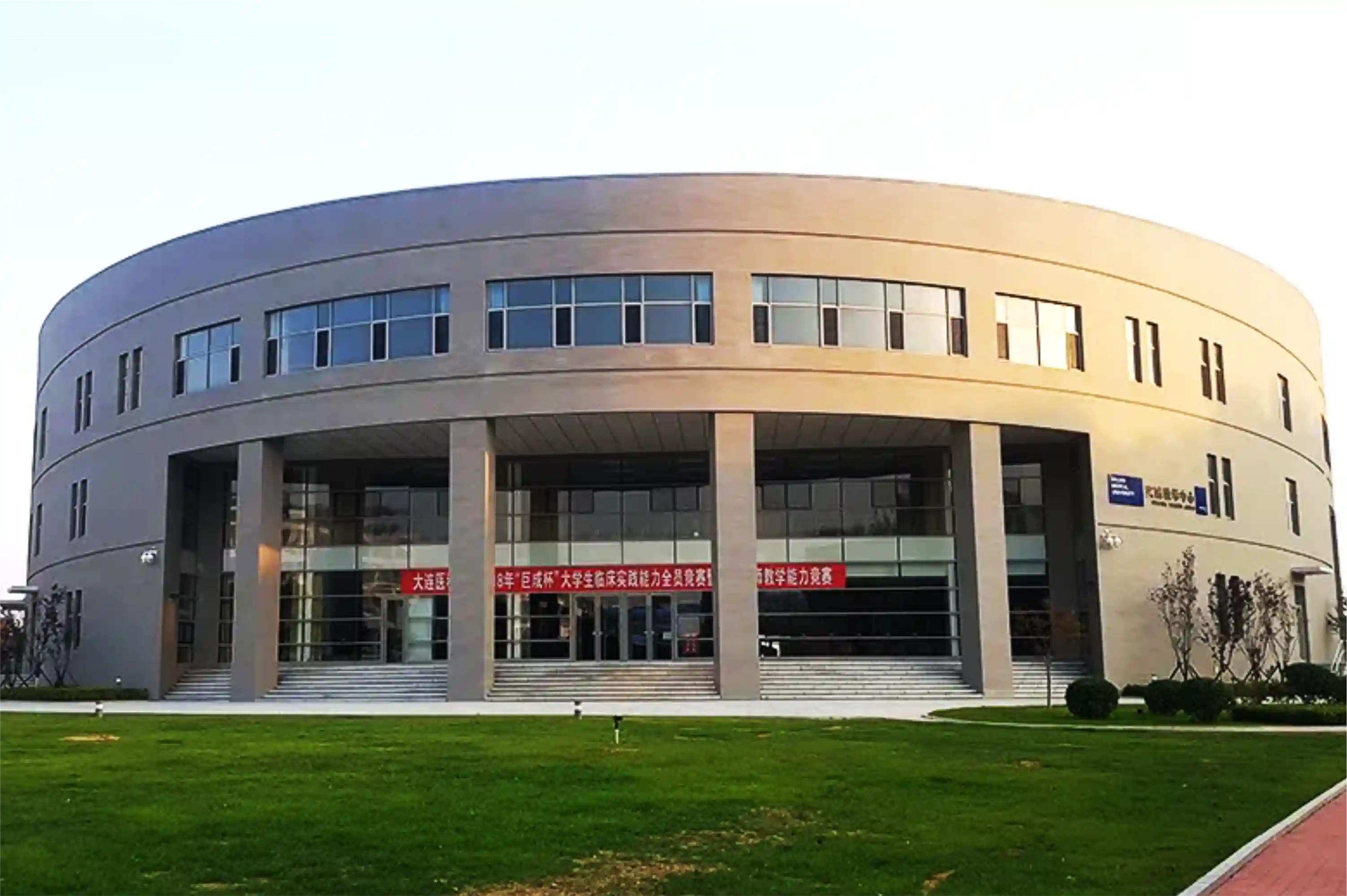
Dalian Medical University (DMU) was founded in 1947 as Guandong Medical College.

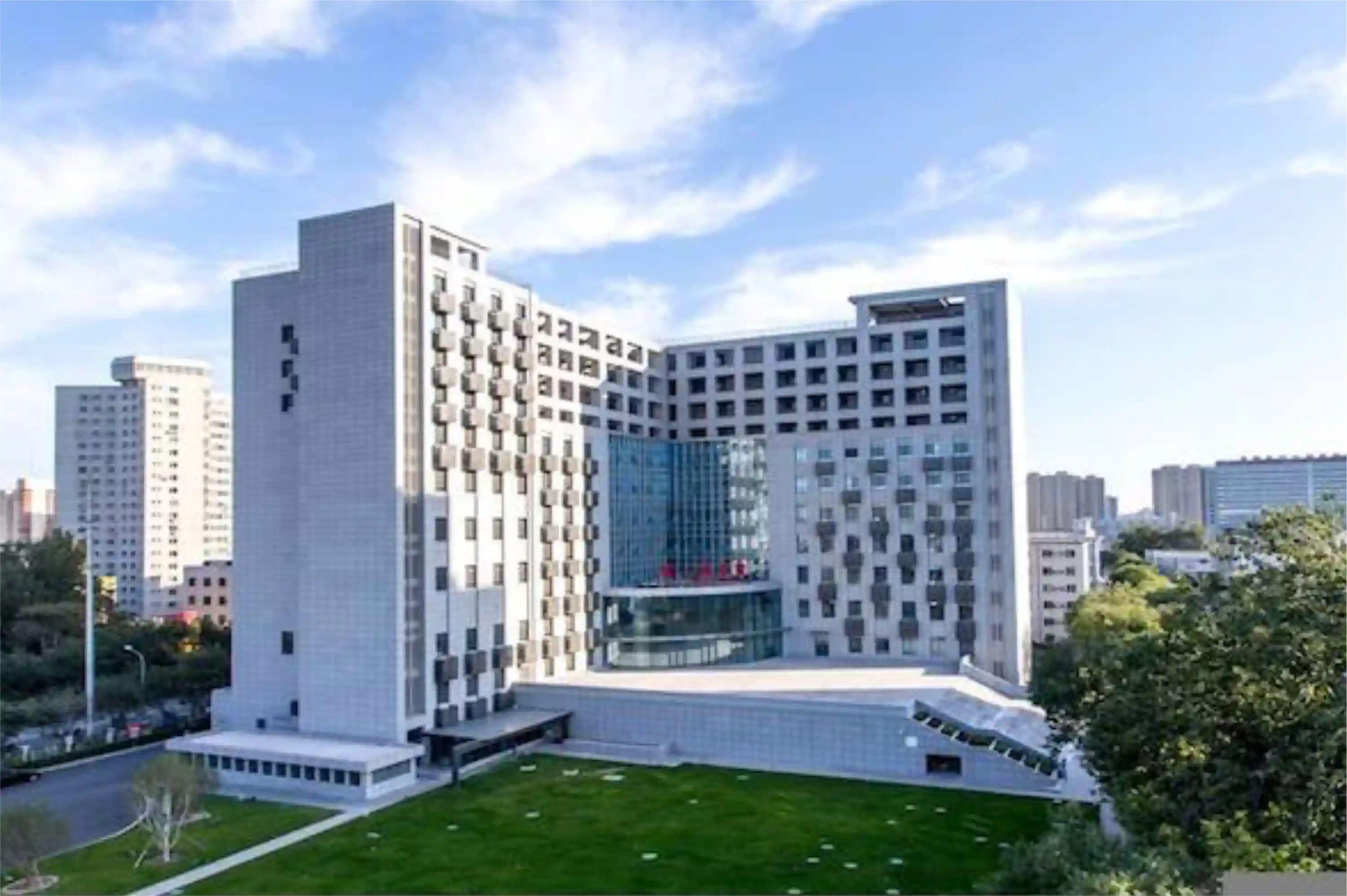
Dalian Medical University (DMU) was founded in 1947 as Guandong Medical College. In 1949, it merged with Dalian University and was renamed the Medical College of Dalian University. Following the dissolution of Dalian University’s organizational system in 1950, the institution became an independent college known as Dalian Medical College. In 1969, the college relocated to Zunyi, Guizhou Province, where it contributed to the establishment of Zunyi Medical College. It returned to its original location in Dalian in 1978, retaining the name Dalian Medical College, and was officially renamed Dalian Medical University in 1994. In 2007, DMU moved to its modern campus in Lvshunkou District, Dalian. Today, DMU has developed into a comprehensive, multidisciplinary medical university with a primary focus on medicine, while also offering programs in science, engineering, management, arts, law, and philosophy. It is also among the universities selected for the construction of first-class universities in Liaoning Province.Located at No. 9, West Section of Lvshun South Road, Dalian, Liaoning Province, DMU covers an area of approximately 1.51 million square meters, with a total floor area of about 532,000 square meters. The university’s fixed assets are valued at 8.392 billion yuan, with teaching and research equipment worth approximately 4.079 billion yuan. Its library resources include around 1.18 million physical volumes, 2.21 million electronic resources, and access to 60 database platforms. The university comprises 53 secondary units, including 24 teaching and research institutions, 20 party and administrative departments, 2 mass organizations, 6 teaching support units, and 1 independent college. DMU is supported by 14 affiliated hospitals, including 3 directly affiliated hospitals and 11 non-directly affiliated hospitals.Academically, DMU has 1 national key discipline and 4 provincial first-level key disciplines, with 6 disciplines ranked in the top 1% of the ESI global discipline rankings. The university operates 4 postdoctoral research stations and is authorized to confer doctoral degrees in 4 first-level disciplines and 1 category of professional doctoral degrees. At the master’s level, DMU offers authorization in 10 first-level disciplines and 7 categories of professional master’s degrees. Currently, the university provides 27 undergraduate majors, including 6 national-level and 9 provincial-level first-class undergraduate programs under China’s “Double Ten Thousand Plan.”