

logo
Victor Babeș University of Medicine and Pharmacy, officially known as Universitatea de Medicină și Farmacie “Victor Babeș” din Timișoara

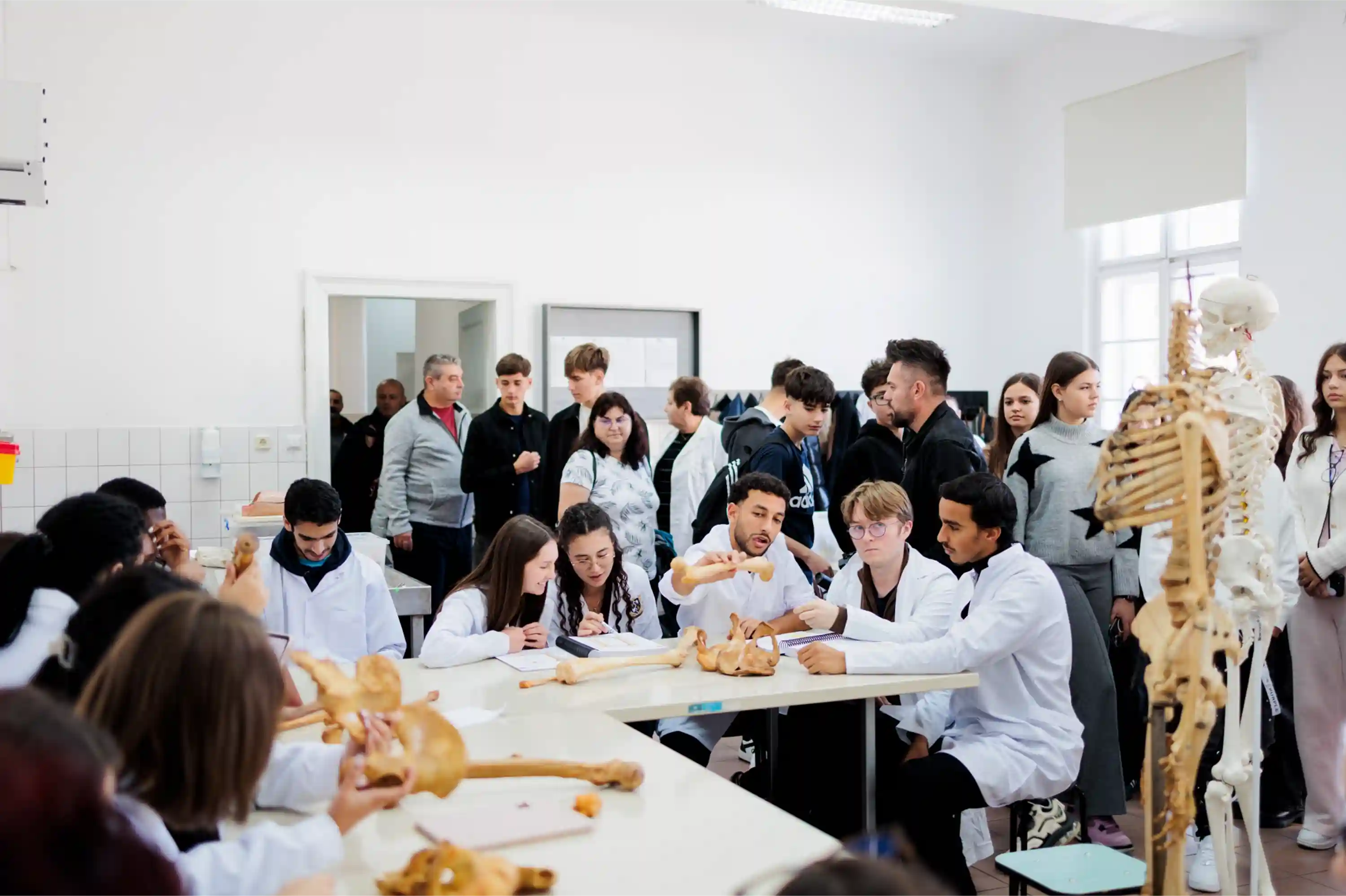
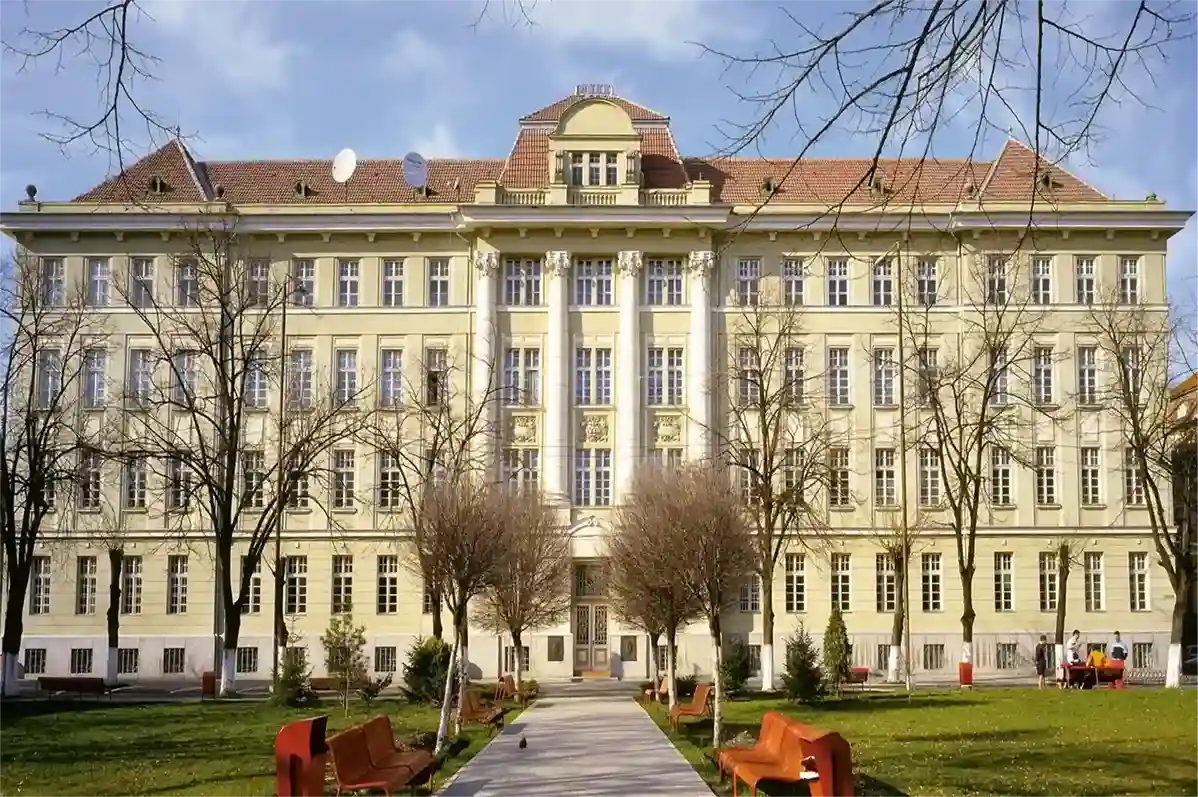
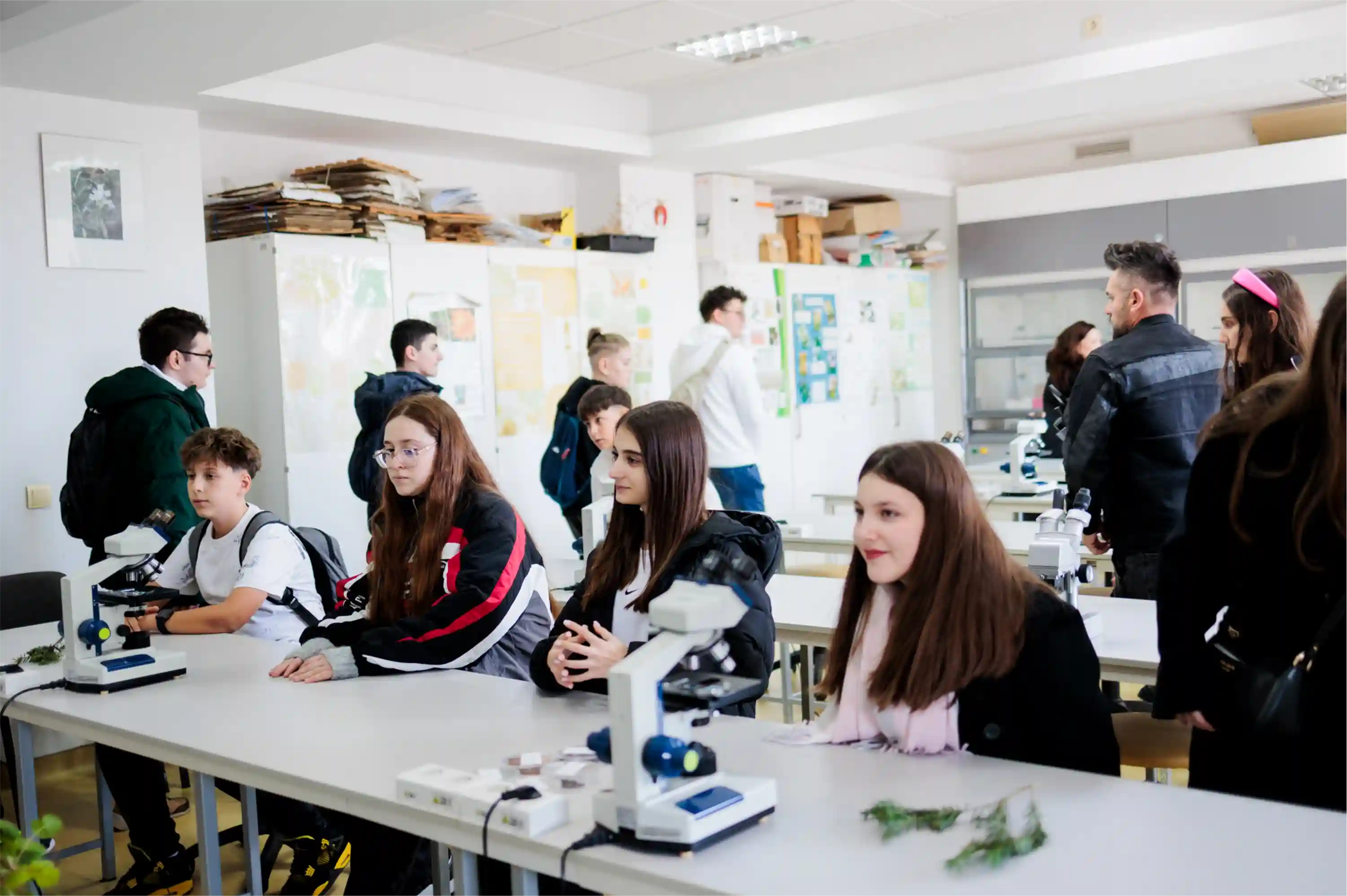
Victor Babeș University of Medicine and Pharmacy, officially known as Universitatea de Medicină și Farmacie “Victor Babeș” din Timișoara, is a public, state-funded medical university located in Timișoara, Western Romania, founded on 30 December 1944 by decree of King Michael I and commencing its first academic year in July 1945. Named after the renowned Romanian physician and pioneer of microbiology Victor Babeș (1854–1926), the university upholds its motto, “Doctrina et scientia in posterum” (Education and science for the future), through a strong commitment to high-quality teaching, clinical training, and scientific research. The institution trains doctors, dentists, pharmacists, nurses, and other healthcare professionals through rigorous academic programs that integrate theory with practical experience, advances medical and pharmaceutical research in both fundamental and clinical fields, and encourages international collaboration. Supported by a modern campus with libraries, research laboratories, informatics centers, student housing, and affiliated hospitals in Timișoara, the university fosters a diverse international student community, promotes mobility programs such as Erasmus, and holds international accreditation from recognized global quality assurance bodies including WFME, EQAR, and ENQA, reflecting its adherence to high international standards in medical education.
The Amphitheatre of the Faculty of Pharmacy

Universities play a vital role in societal development through education, research, and social responsibility, and the University of Medicine and Pharmacy “Iuliu Hațieganu” of Cluj-Napoca actively fulfills this role by engaging in community-focused initiatives that strengthen social equity and access to higher education. The university has consistently supported students from disadvantaged backgrounds and rural areas through targeted projects, including the distribution of free tablets during the pandemic to enable online learning, the provision of free lunches for students on social scholarships from the 2023 academic year, and the award of social scholarships funded through the Human Capital Operational Programme. Between 2020 and 2023, institutional development projects further supported low-income and rural students through financial aid, skills training, counseling and career guidance, and outreach activities for high school students, reinforcing the university’s commitment to inclusion, social responsibility, and equal educational opportunities.

Carol Davila” University of Medicine and Pharmacy: Romania’s Leading Institution for Medical Excellence

“Carol Davila” University of Medicine and Pharmacy of Bucharest (UMFCD) is the cornerstone of medical and pharmaceutical higher education in Romania, founded in 1857 by the Romanian-French physician Carol Davila as the National School of Medicine and Pharmacy, the country’s first institution of its kind. Comprising four faculties—General Medicine, Pharmacy, Dentistry, and Midwifery and Nursing—the university is recognized by the Ministry of Education as an advanced research institution and benefits from access to more than 20 clinical hospitals across Bucharest. Guided by the motto “Initiation, Evolution, Excellence,” UMFCD upholds a strong tradition of academic rigor and human dedication, having educated distinguished figures such as Nobel laureate George Emil Palade. Ranked first in Romania for Clinical Medicine by U.S. News and placed within the 100–150 range of the global Shanghai Ranking (2021), the university attracts a diverse international student body, with 10–20% of students coming from abroad each year, and offers extensive social, volunteer, and extracurricular opportunities, notably through the Medical Students’ Society of Bucharest (SSMB), founded in 1875, which operates as Romania’s oldest and largest student society and represents approximately 8,000 students through educational, public health, reproductive health, and human rights initiatives.

University of Oradea: A Sustainable Hub of Knowledge, Innovation, and Leadership

The Board of the University of Oradea is the governing body responsible for managing the university and implementing the strategic decisions of the Senate in accordance with National Education Law No. 1/2011, the University Charter, and the Board’s Operating Regulations, with meetings held bi-monthly under the chairmanship of the Rector. With academic roots dating back to 1780, the University of Oradea stands today as a center of knowledge, innovation, and sustainable development in northwestern Romania, guided by the motto “UO – A Sustainable University of the Future.” As part of a European university alliance, the institution promotes an internationalized, digital, and inclusive educational environment, emphasizing quality, ethics, and relevance in education and applied research, while serving as a regional pillar of stability and progress and offering a stimulating setting for academic and cultural growth.